Inside stage engineering: from stage rigging to advanced control systems

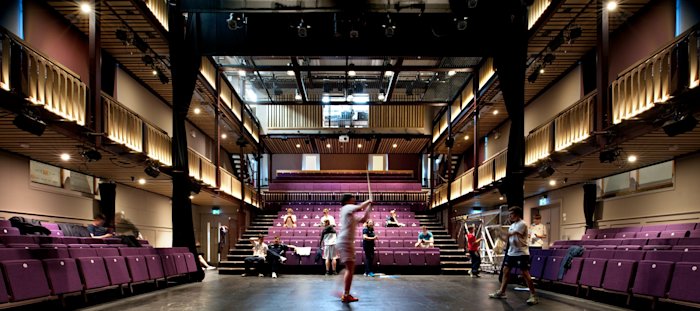
Behind every great performance lies an intricate ecosystem of engineering, design and technology working quietly out of sight. While audiences experience the magic onstage, the reality is shaped by the systems above, below and around the performance area. These systems must be safe, intuitive, reliable and tailored to the needs of the production team.
At Theatreplan, stage engineering is a core part of how we help venues create exceptional performance environments. From traditional counterweight systems to fully networked, computer-controlled machinery, the discipline continues to evolve, and with it, the expectations of operators, technicians and performers.
In this blog, we look inside stage engineering: how it works, why it matters, and what the future holds.
Understanding the foundations: stage rigging systems
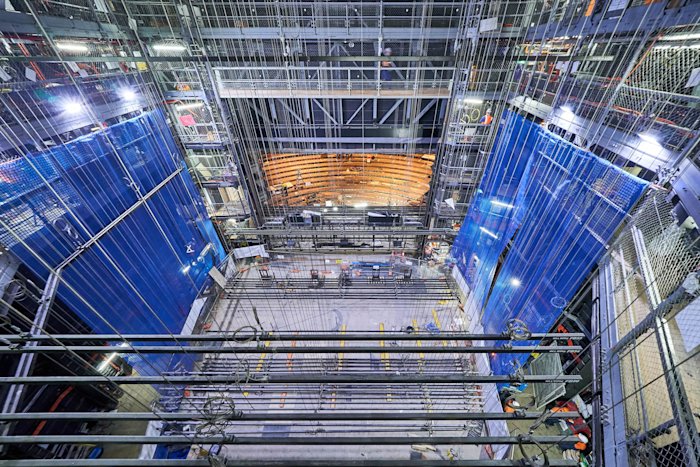
Stage rigging is the backbone of performance machinery. It enables scenery, lighting, drapes and technical equipment to be suspended, moved and repositioned safely and efficiently. While the principles are long-established, the practical requirements vary significantly depending on the venue and the productions it hosts.
Counterweight systems
Many theatres still rely on traditional counterweight systems; a robust, flexible and well-understood method for flying scenery and equipment. These systems rely on a mechanical balance between the load on the load carrier and steel or lead weights in the counterweight cradle, operated manually via a rope set.
For venues that prioritise tactile control, rapid adjustments and familiarity for technicians, counterweight systems remain a highly effective solution.
Motorised rigging
As productions become more complex and technical resources become more stretched, many venues are transitioning to motorised systems. Motorised hoists enable precise, repeatable movement and reduce the manual handling risks associated with traditional counterweights.
Motorised systems also offer greater adaptability, ideal for multipurpose venues, touring productions and spaces with limited flytower height.
The rise of advanced control systems
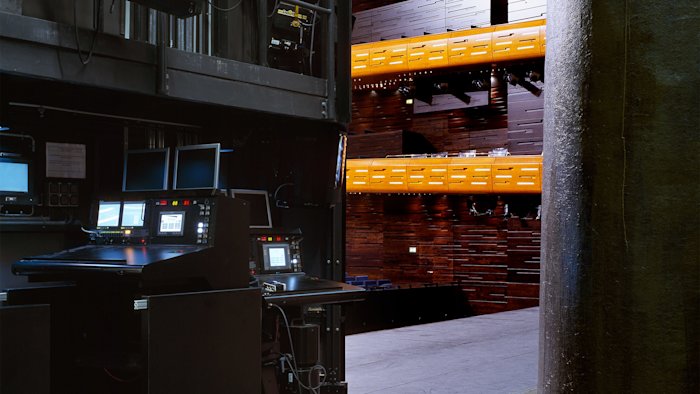
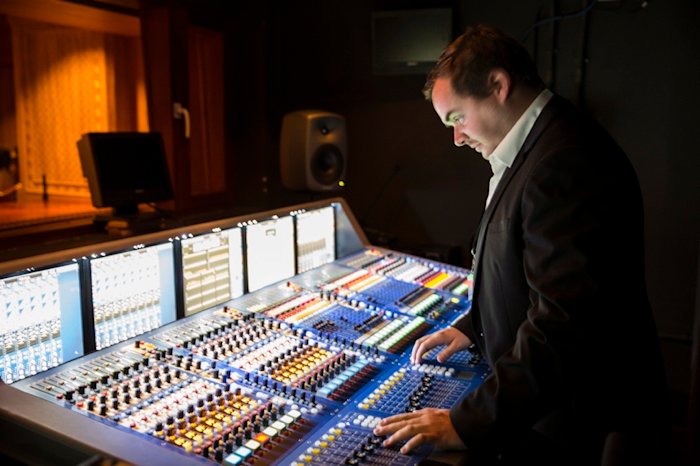
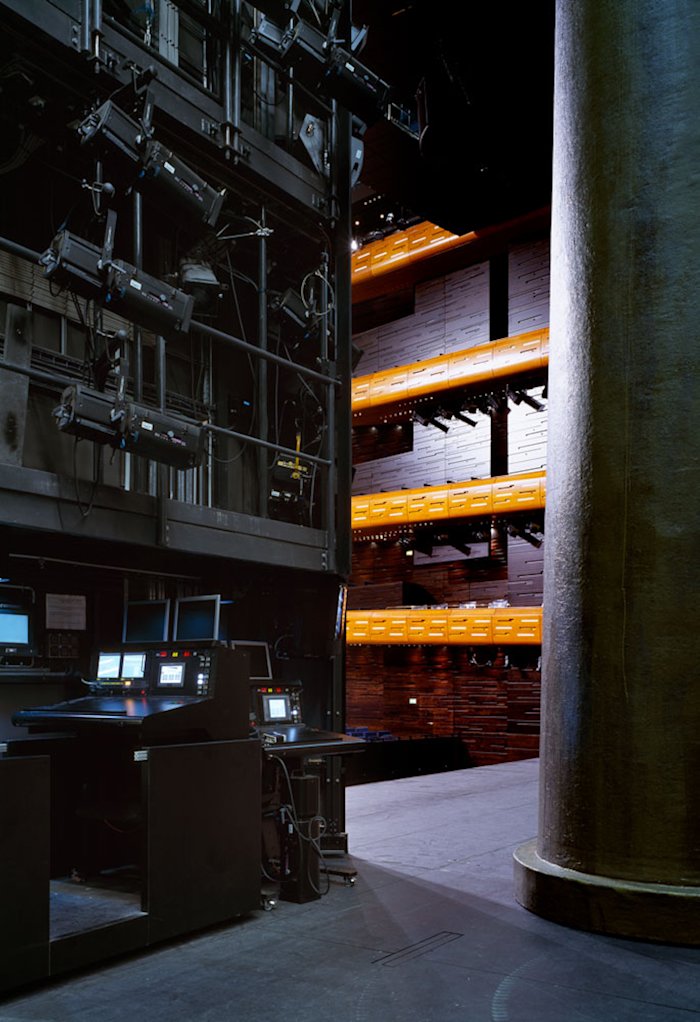
The evolution of stage engineering is increasingly driven by digital control. Today’s control systems integrate machinery across a venue, allowing operators to manage hoists, stage lifts, revolves, acoustic banners and overhead structures from a central interface.
Why advanced control matters
Modern control systems provide:
• Greater safety, with built-in monitoring, load sensing and error detection
• Repeatability, enabling complex cues to be executed precisely, show after show
• Scalability, supporting future upgrades or additional equipment
These systems turn what used to be reactive and manual tasks into proactive, coordinated workflows, a significant benefit for busy venues with diverse programming.
Designing for safety, usability and longevity
Safety - Above all else, systems must protect performers, technicians and the public. That means properly designed equipment, rigorous load analysis, compliant components, clear control logic and appropriate operator training.
Usability - Even the most sophisticated system must be intuitive. We focus on user-centred design, ensuring operators can work confidently and efficiently.
Longevity - A venue’s machinery must support decades of programming. That includes accessibility for maintenance, the ability to expand or upgrade, and materials chosen to withstand heavy daily use.
Our designers work closely with in-house teams to create systems that fit each venue’s identity and operational needs, not the other way around.

The future of stage engineering
As venues adapt to new types of performances and new audience expectations, stage engineering continues to develop in several key areas:
Networked and digital-first systems
IP-based communication, distributed processing and real-time data monitoring are gradually becoming the norm.
Automation and semi-autonomous operation
While fully automated shows remain rare, assisted automation and safety monitoring are increasingly common.
Sustainability in performance spaces
Energy-efficient motors, reduced material usage and smarter power management are helping venues lower their environmental impact.
More flexible performance environments
Movable architecture and modular staging systems allow venues to support a broader range of events without extensive changeovers.
Conclusion
Stage engineering is part science, part craft, a blend of traditional mechanical principles and cutting-edge digital control. Whether it’s a community theatre or a major performance venue, these systems are vital to creating safe, inspiring and flexible spaces that support artistic ambition.
If you’d like support with stage engineering, machinery specification or a full venue consultancy, our team would be happy to help.
26 November 2025
Contributor