New Job, Same Goal: Making Live Performance Work Smoothly
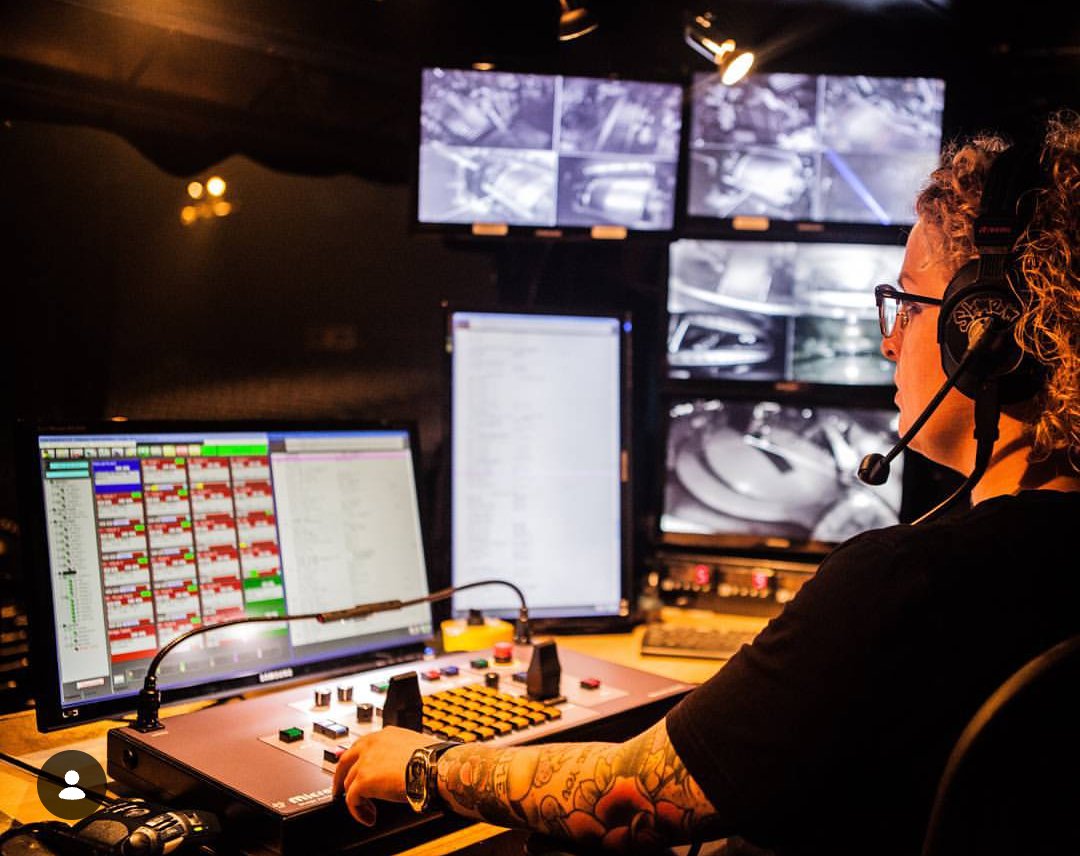
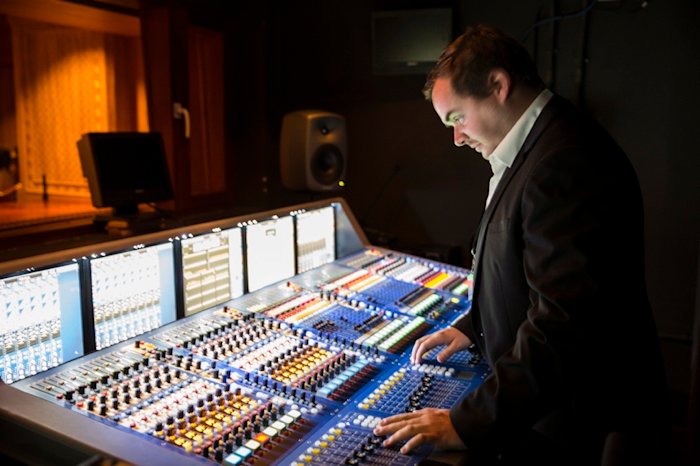
After 25 years living inside theatres, creating and operating shows, fixing problems on the fly - sometimes quite literally - and knowing every building’s quirks, I now spend my days helping design, refurbish, and renew these spaces. It’s a huge shift, and one that comes with a learning curve no one really warns you about… from being ‘on the tools’ to thinking about how and why they came to be specified in the first place!
Thinking Beyond Tonight’s Show
Working backstage is all about needing to make things work right now or in some cases, five minutes ago. In consultancy, the questions stretch months if not decades into the future. Rewiring your brain to think like that - bigger, broader, more structurally - can make you wonder if you’re really qualified to play on this scale, but then you start to realise after decades of maintaining shows’ integrities under pressure, thinking ahead is practically muscle memory.
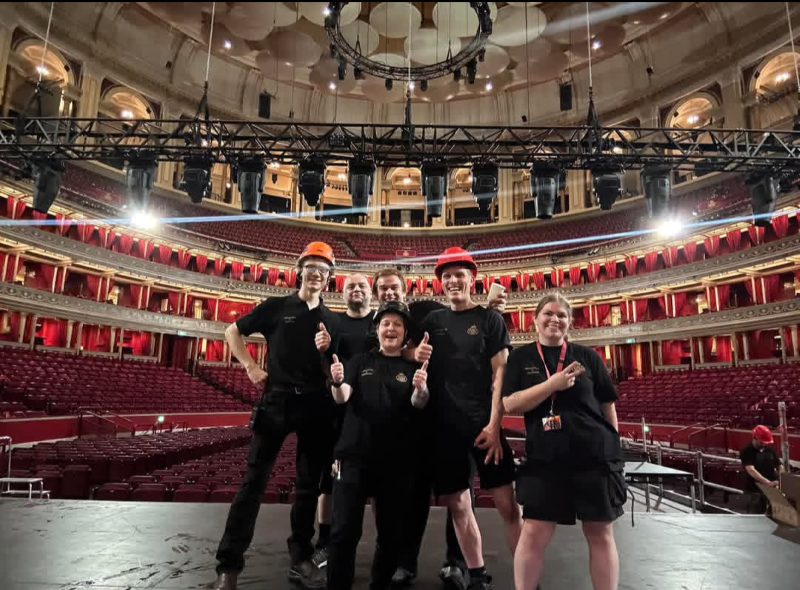
Putting All Those Gripes to Good Use
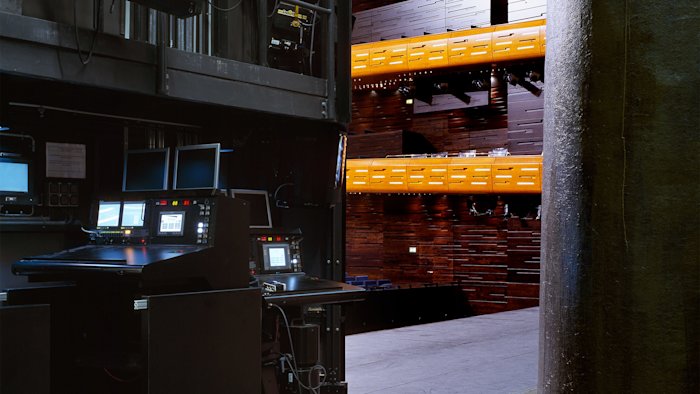
Every cramped control position, every problematic set piece or axis, or impossible get-in or get-out I suffered through, now fuels my work. And it’s easy to wonder, “does this experience really count as design knowledge?” The truth is it’s exactly what’s been missing in rooms previously, where plans are drawn by people who’ve never had to live and work with the consequences.
Seeing Patterns Across Dozens of Venues
Instead of knowing one building inside out, I now walk through many. The shift from specialist to generalist can feel daunting. Like you’re suddenly expected to understand everything at once, but the more venues you see, the more you realise your instincts translate. Patterns emerge, and you start recognising the same needs, frustrations, and clever solutions in every space.
A New Kind of Collaboration
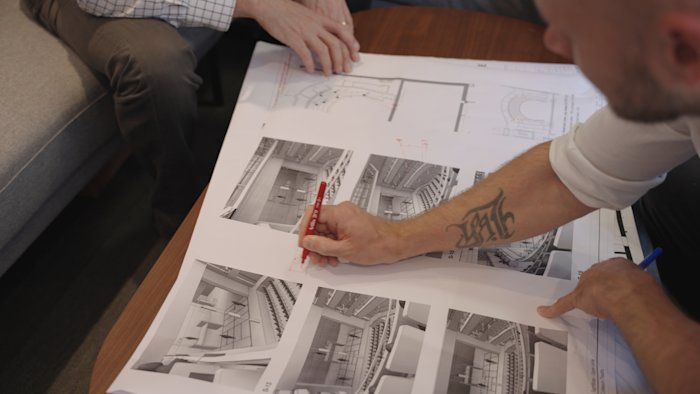
Backstage, teamwork is immediate, consultancy collaboration is slower and full of many different disciplines. At first, sitting at tables with architects, structural engineers, and stakeholders can make you feel like the odd one out. Then the conversation moves to how the building and the stage engineering will actually run, and suddenly you’re the person everyone turns to for the answer. That’s when you really start to understand why you are in the room.
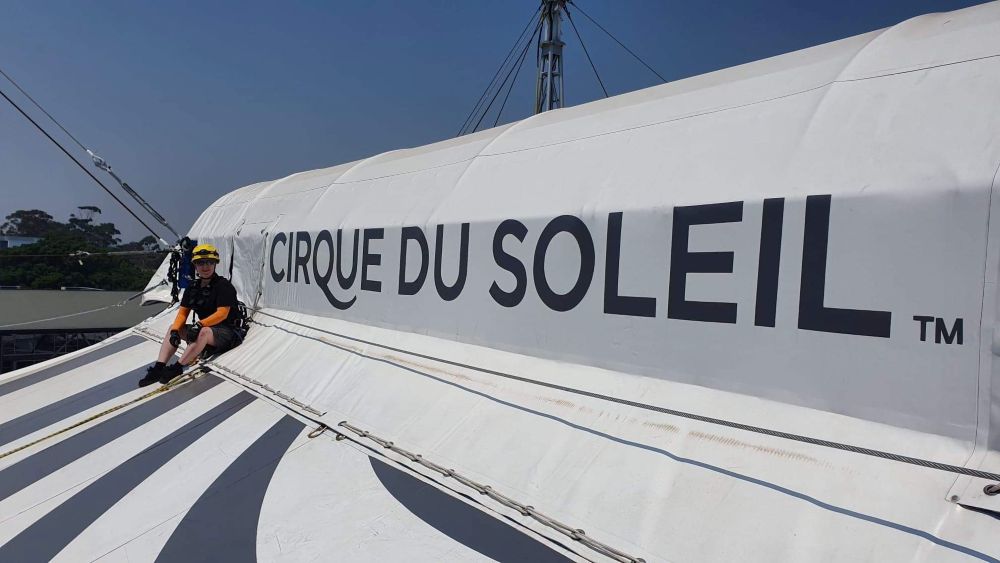
Changing focus doesn’t erase the past, nor does it make you an imposter. You become part of the long chain of people who make live performance possible and working environments the best they can be for those following in your footsteps, bringing to life what we have helped create, with activity and live performance.
Photo Credit: Dan Fulloon
23 February 2026
Contributor