Where Intimacy Meets Innovation
“Even if you’re little you can do a lot, you mustn’t let a little thing like ‘little’ stop you” - Matilda the Musical

It’s been over 20 years since I first trod the boards in an amateur panto of Aladdin, and growing up in youth theatre and amateur theatre, you get a crash course in how to get big ideas to work within the constraints of small spaces. These are skills that have become really useful when designing lighting for fringe and small-scale theatre. For instance, how do you create the atmosphere of the near 90,000 seat Estadio Azteca in a 90-seat converted church on the Isle of Dogs? With a good sound design, clever staging and four flood lights, it is easier than you might think! As I sit down at the lighting desk for a short stint of amateur panto at the venue where my stage journey began, I’ve ended up reflecting on some of the more interesting and exciting pieces of theatre I’ve seen, often in some of the most unassuming of places.
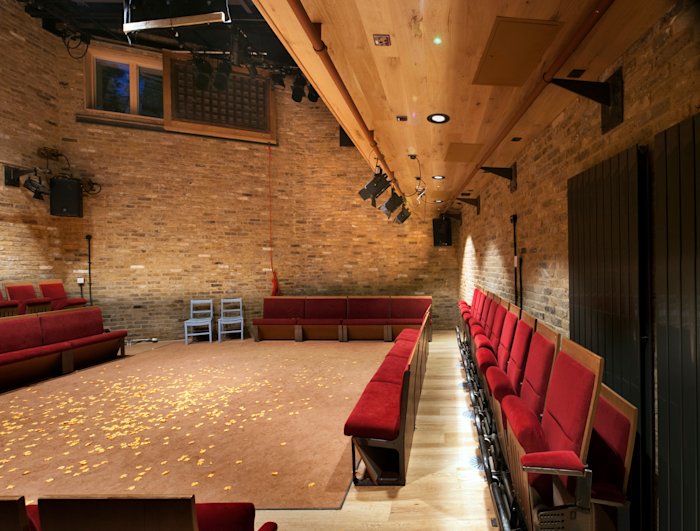
One of the most iconic and more intimate venues I’ve been to is the Watermill in Newbury. Opened in 1965, this former Mill in Berkshire has an impressive track record of productions which have gone on to tour or transfer to critical acclaim. One such production that drew me to this idyllic corner of the British countryside was a revival of the musical adaptation of Tolkien’s The Lord of the Rings. Given the spectacle and scale of the original West End production, I was uncertain of how such a behemoth of a story would fare in such a small venue, and to say I was blown away is an understatement. With a simple set, a talented team of actor musicians and excitable audiences, you were well and truly immersed in the plot. It was a risk, but one, no doubt, that paid off. One of the most effective elements of this production was the use of the auditorium to immerse the audience in the action. When entering Fangorn forest, the noise of the trees was created with percussion tubes which had been fixed to the auditorium walls surrounding the audience in sound. In contrast, a more silent moment occurred when Gollum first entered and used cleverly disguised rock-climbing footholds to climb across the balcony front and onto stage like a spider, bringing the audience face to face with this iconic character.
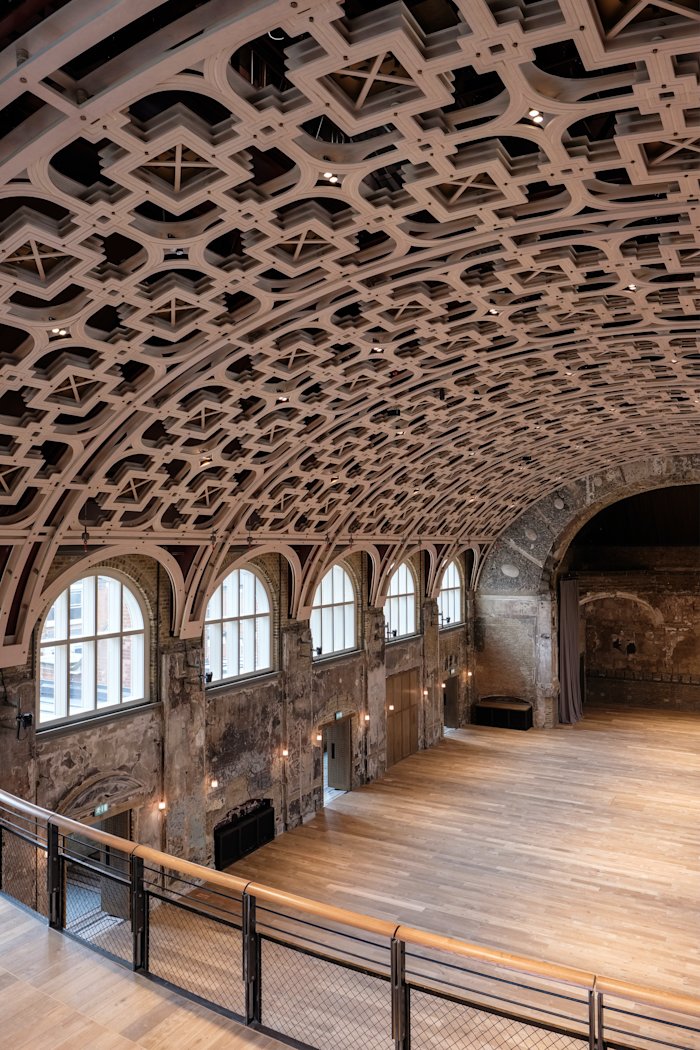
The repurposing of disused buildings is something the performing arts does well. Many community venues across the UK are housed in repurposed former places of worship, and there are many professionally run venues whose buildings once had a former life. One repurposed building I ended up in on a cold winter evening back in 2015 is the Bargehouse on the Southbank. When I visited, the entire building had been transformed into a promenade performance space rooted in the world of Grimm’s Fairytales; no lavish sets or vast lighting rigs, but a talented ensemble cast who carried you through each tale and guided you from room to room as the labyrinth of this building began to unfold.
In many different ways, there are other professional venues up and down the country which are wowing audiences and creating magical experiences for people of all ages. From the 550 seat Kilworth House Theatre whose summer musicals draw in audiences from across the country, to the 100 seat Little Angel Theatre which inspires young people, week in week out, through puppetry.
It's not just professional theatres though which could be described as small and mighty, there is a plethora of community run and amateur spaces which prove that there is a wealth of talent comprised of people who make do, and creative solutions often deliver incredible results. The Players Theatre, located in Thame, Oxfordshire, has a track record of putting on spellbinding productions at their intimate 119 seat venue, scooping up a number of NODA nominations along the way.

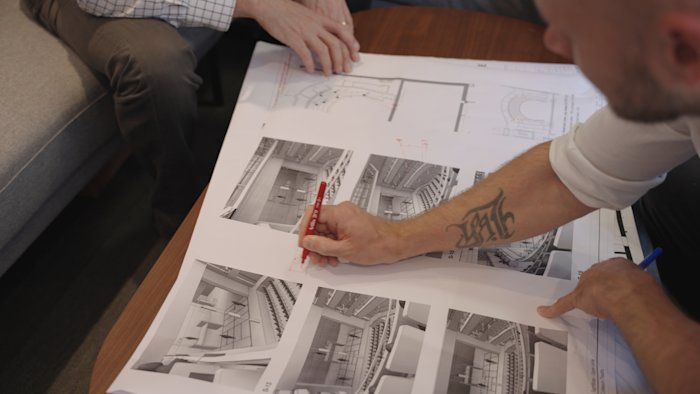
Over my last eight years at Theatreplan, I’ve had the privilege to work with venues of varying scale - from new build multi-venue arts centres in Hong Kong, to UK regional theatres in idyllic settings. Yet some of the projects I am most fond of didn’t have a huge budget and were working to bring underutilised buildings back into use by the communities they once served. Early on in my time at Theatreplan, one such project was an early scheme for Horton Chapel in Epsom who were reclaiming the building to use as a community arts and culture hub. It is great to see the building is back in regular use today.
More recently, The Generator Project in Loughborough, currently deep in construction, challenged us to help transform a space which once housed generators made from decommissioned U-Boat engines. Working with Linedota Architects, a scheme was developed which will transform the main generator hall into a multi-purpose performance and exhibition space whilst bringing forgotten ancillary spaces back into use for various workshops and arts activities. When it opens, this space in the heart of Loughborough, which was purchased by its local community, for its local community, will be a space where people are encouraged to express themselves in new ways and be supported to grow.
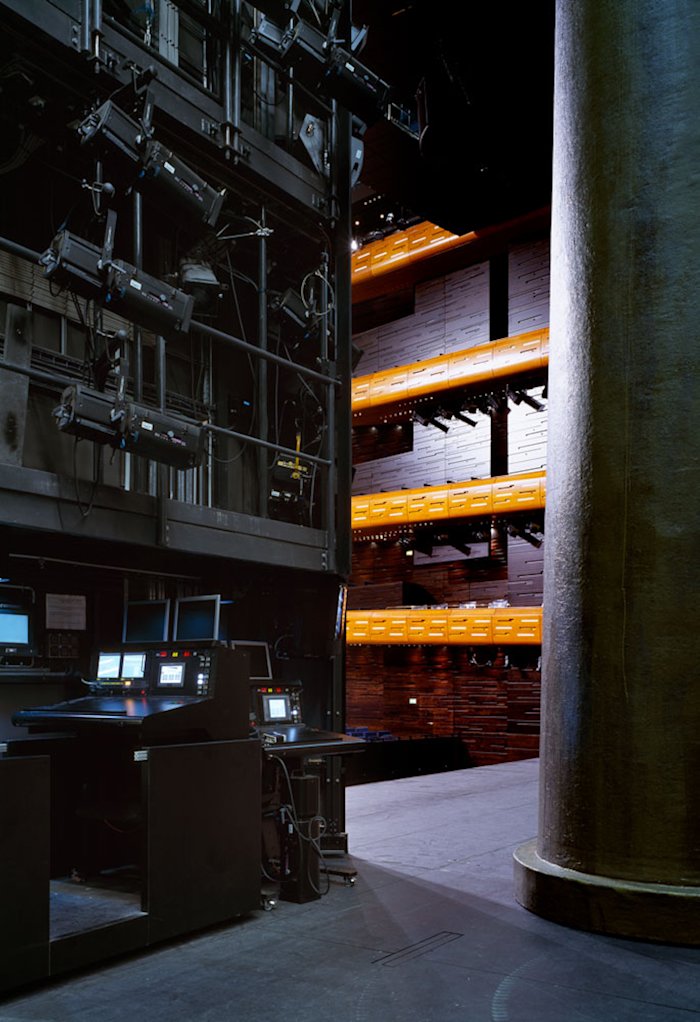
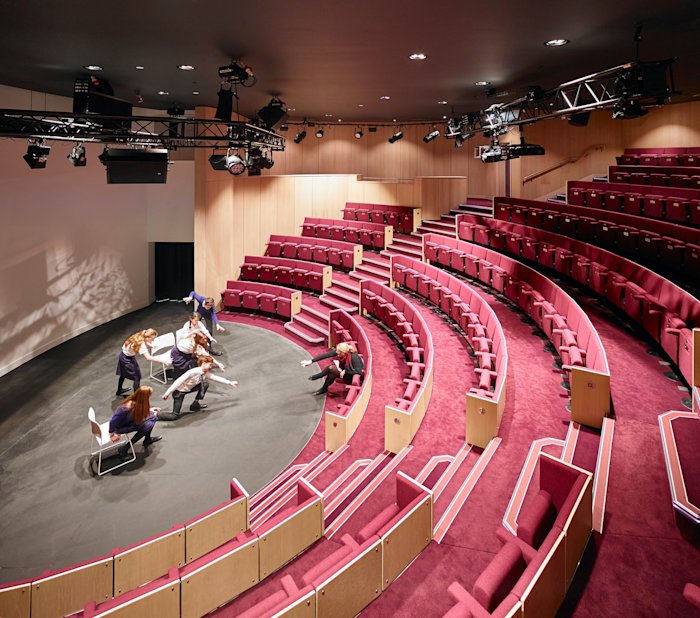
It doesn’t matter if you are a 50-seat room in the back of a pub or a 1,400-seat receiving house, there is magic and creativity to be found in venues of all sizes. Working through the challenges these different venues face to allow their creativity to continue to flourish is what makes this job so fun.
5 February 2026
ContributorChris Needle