Giving Young People Hands On Experience of Theatre
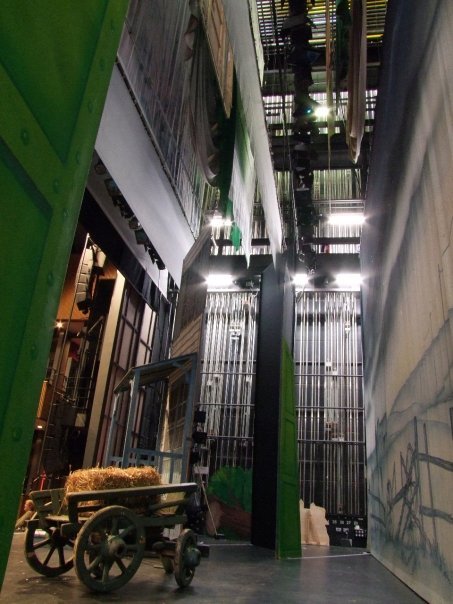
There’s an increasing momentum on helping young people realise the pathways into careers in technical theatre, from initiatives like the National Theatre Young Technician programme to events such as Theatrecraft. In this blog, Matt Kingslake looks back on his time as Technical Manager at the Grove Theatre in Dunstable, where an annual Summer Youth Project offered young people the chance to take part in a fully realised musical theatre production.
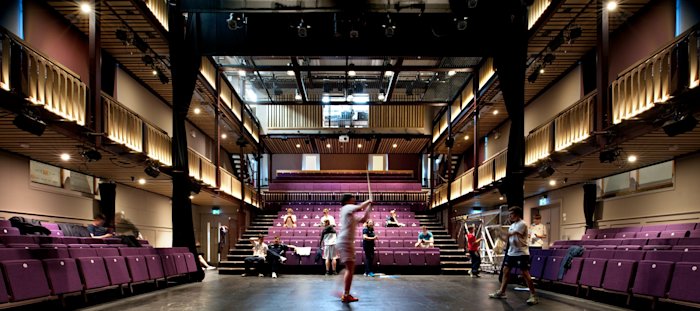
Every summer, for two weeks, young people aged 12 to 19 took part in an intensive project that involved acting, choreography, and singing. Rehearsals took place throughout the whole theatre, culminating in four performances over three days for a paying audience at the end of the fortnight.
Participants were given the opportunity to work with professional and award‑winning directors, choreographers, musical directors and musicians. It was a demanding but hugely rewarding experience, and many young people returned year on year.
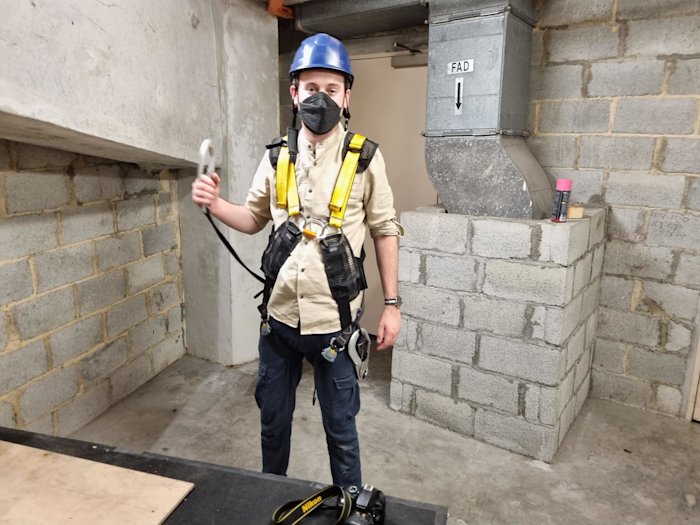
As Technical Manager, I was very keen that there were opportunities for young people to experience the technical side of theatre as well as the performing side. Each year, we welcomed around six to eight young people into the technical department, where they learned about and operated sound, lighting, scene changes, flying and followspots - all under supervision, of course.
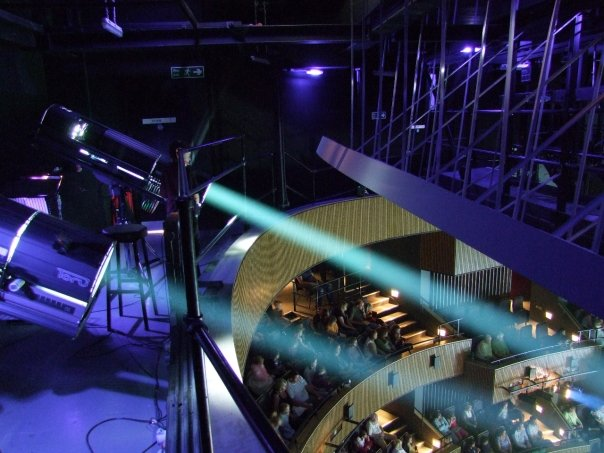
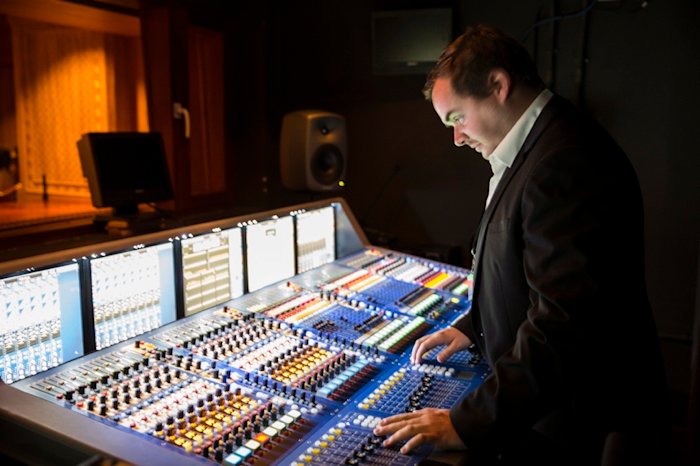
As the performances approached, the participants created their own rotas so that everyone had the chance to experience every part of running a live show. They were involved in everything from programming the show lighting and setting up the sound desk and outboard equipment, to micing-up the orchestra or band. They were supervised and supported by my crew, but all had genuine hands‑on experience. With parental permission, they also took part in the get‑out after the final performance.
While the cast were rehearsing, we were busy building sets, creating and painting props, rigging lights, setting up microphones and speakers, and distributing and hanging cue lights- everything the production needed from a technical perspective to be ready to go into rehearsals.
Our first production was Oliver, which had a particular relevance to Dunstable, as it was where the workhouse and undertakers were located in Dickens’ story. Other productions included The Wizard of Oz and Fame.
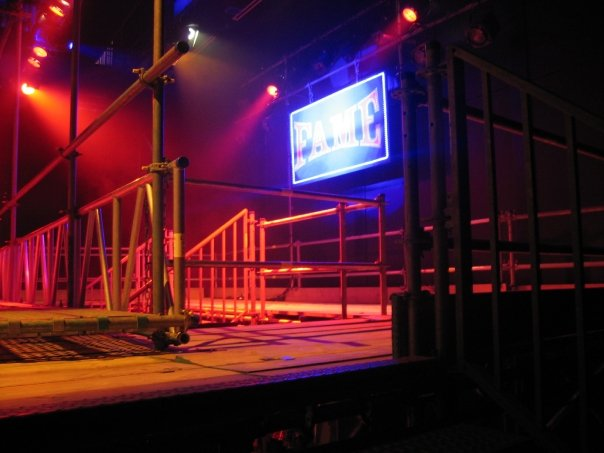
For Fame, I imagined a set created by a local scaffolding company which included a flown bridge. The orchestra pit lift was also used to create a lowered forestage, meaning the whole playing space was spread across three levels plus the bridge. This allowed performers to enter from the auditorium, the traditional wings, and the top level of the set.
The technical participants dressed the set, created and sourced suitable props, and even made a “Fame” sign complete with LED tape outlining the letters, which was flown at the rear of the stage. The bridge was used to great effect during the production, particularly in the opening scene when the pupils meet the teachers.
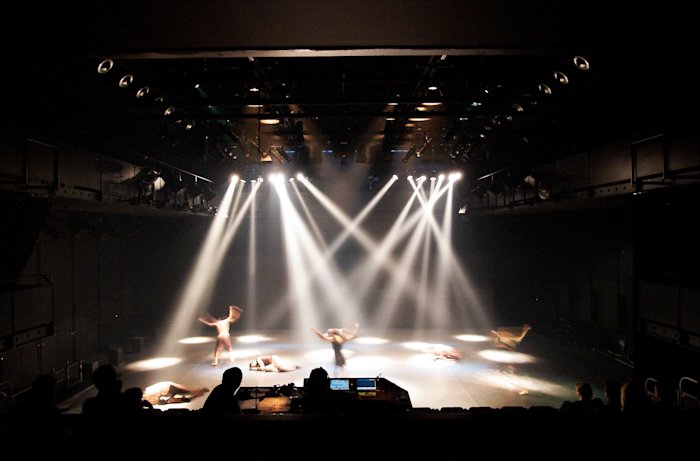
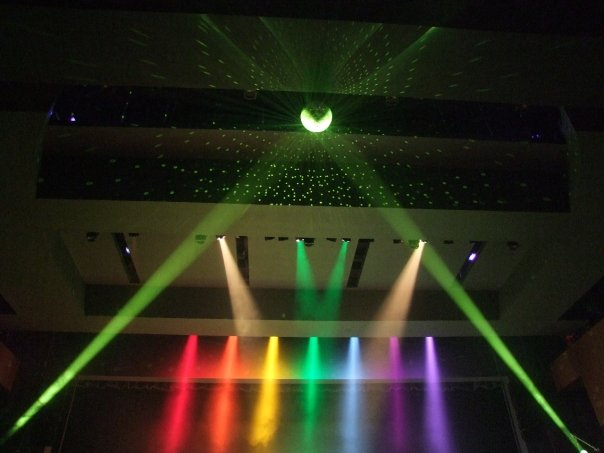
For The Wizard of Oz, many of the set elements were hired in. The technical participants helped assemble the set and fly the relevant pieces, before rigging the lighting. This included choosing the range of colours to form the front‑of‑house “rainbow”.
It was an experience that I hope has stayed with them to this day. Many of the young people returned year after year, building confidence, skills and a real understanding of what goes into creating a live production.
19 March 2026
ContributorMatt Kingslake