Designing performance spaces for flexibility: future proofing theatres and arts venues

Flexible theatre design focuses on creating performance spaces that can adapt to multiple staging formats, audience layouts and event types.
Modern theatres must support a wide range of activities, from traditional productions and immersive performances to conferences, digital broadcasts and community events. By incorporating modular seating, adaptable stage systems and integrated technical infrastructure, arts venues can remain relevant, financially sustainable and operationally efficient as audience expectations and performance formats evolve.
How do you design a flexible theatre?
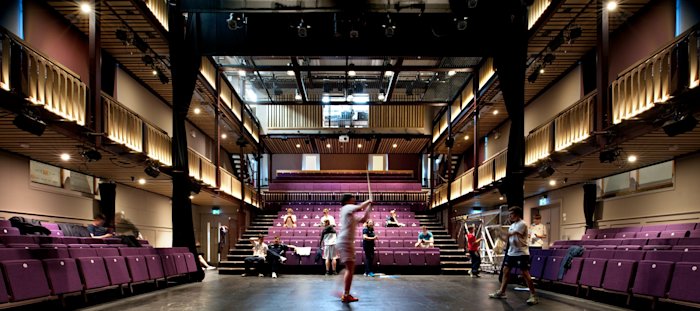
A flexible theatre is designed so that the stage, seating and technical infrastructure can adapt to different types of performances and events. This typically includes modular seating systems, configurable stage layouts, adaptable lighting and rigging infrastructure, and public spaces that can support multiple uses. Designing theatres in this way allows venues to host a wider range of performances, improve utilisation and remain relevant as performance formats and audience expectations evolve.
What is flexible theatre design?
Flexible theatre design refers to the planning and creation of performance venues that can be reconfigured to support different types of productions, staging arrangements and audience experiences.
Instead of designing a theatre around a single performance format, flexible venues allow spaces to adapt to changing programming needs.
This approach enables theatres to host a variety of uses, including:
• drama and dance productions
• concerts and live events
• immersive and experimental performances
• conferences and corporate events
• community engagement activities
By prioritising adaptability, theatres can maximise utilisation, attract diverse audiences and support evolving artistic practices.
Why is flexibility important in modern theatre design?
Theatre buildings often operate for decades, meaning their design must anticipate future needs rather than simply reflect current trends.
Flexible design helps venues remain relevant by enabling them to respond to changes in:
• performance formats
• technology requirements
• audience expectations
• programming diversity
• commercial and community use
Venues that can easily adapt to different events and performance styles are better positioned to generate revenue, expand programming and attract new audiences.
What design features make a theatre flexible?
Future-proof theatres typically incorporate a range of adaptable design elements that allow spaces to transform depending on the needs of a production or event.
Modular seating and adaptable audience layouts
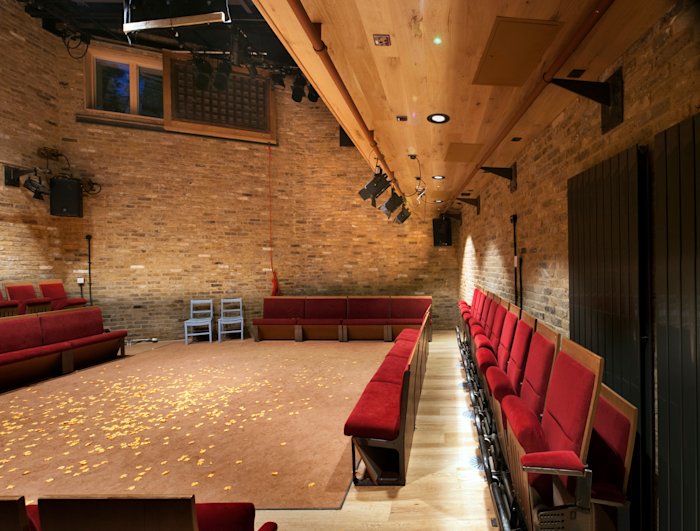
Retractable or demountable seating allows theatres to change audience configurations quickly.
This enables venues to shift between layouts such as:
• end-stage performance
• thrust stage performance
• in-the-round staging
• flat-floor events
• standing concerts or exhibitions
These adaptable seating systems significantly expand the range of events a venue can host.
Multi-format stage configurations
A flexible stage design allows productions to modify the relationship between performers and audiences.
Common features may include:
• adjustable stage platforms
• removable orchestra pits
• extendable stage areas
• configurable stage layouts
These elements make it possible to support productions of varying scale and style without structural alterations to the venue.
Integrated technical infrastructure
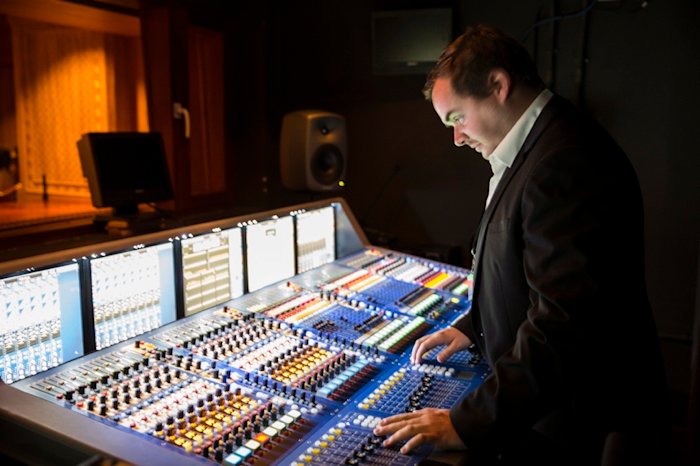
Modern performance spaces rely heavily on advanced technical systems.
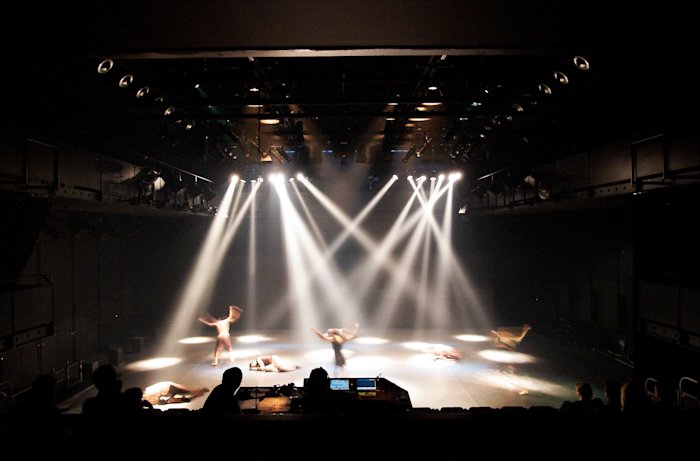
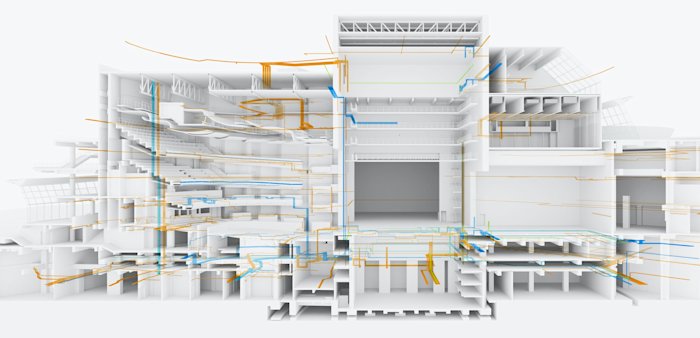
Future-ready venues incorporate infrastructure that allows lighting, and broadcast technologies to evolve over time.
Important design considerations include:
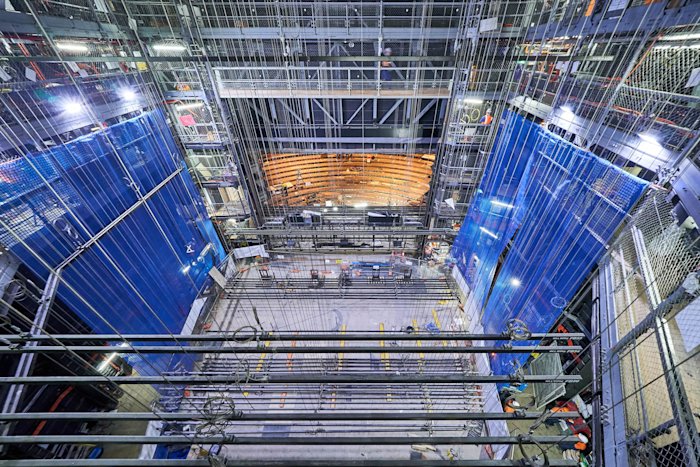
• adaptable lighting grids and rigging systems
• distributed power and data networks
• infrastructure for broadcast and livestreaming
• flexible equipment installation points
Providing this level of technical adaptability helps ensure venues remain compatible with new technologies.
Flexible front-of-house spaces
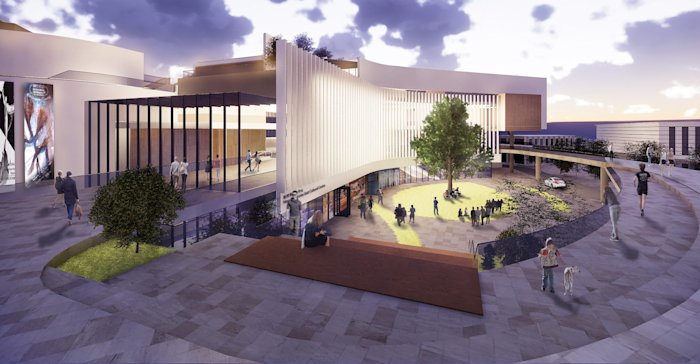
Public areas within arts venues increasingly support more than just audience circulation.
Flexible foyers and social spaces can accommodate:
• exhibitions and installations
• receptions and networking events
• informal performances
• community gatherings
• hospitality and retail activities
These adaptable areas enhance the visitor experience while creating additional revenue opportunities.
Adaptable backstage and production facilities
Operational spaces must also support flexibility.
Well-designed backstage areas can adapt to the needs of different productions and visiting companies.
Examples include:
• rehearsal spaces that can be reconfigured
• dressing rooms that can expand or contract depending on cast size
• adaptable production workshops
• efficient loading and logistics areas
Providing flexible support spaces improves operational efficiency and helps venues host a wider range of productions.
How flexible theatre design supports long-term sustainability
Flexibility contributes to the long-term sustainability of cultural venues.
Theatres that can support multiple event types are able to:
• diversify programming
• increase venue utilisation
• generate additional income streams
• attract new audiences
• remain relevant as artistic practices evolve
For arts organisations investing in new venues or refurbishing historic buildings, flexible design ensures the space continues to meet operational and cultural needs for many years.
Why specialist theatre planning matters
Designing performance spaces requires a deep understanding of production requirements, audience experience and venue operations.
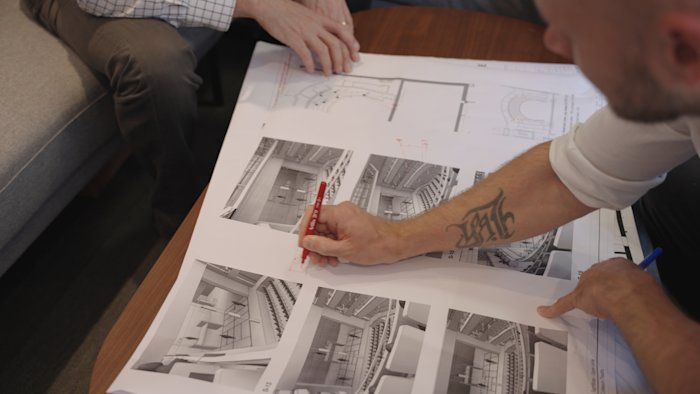
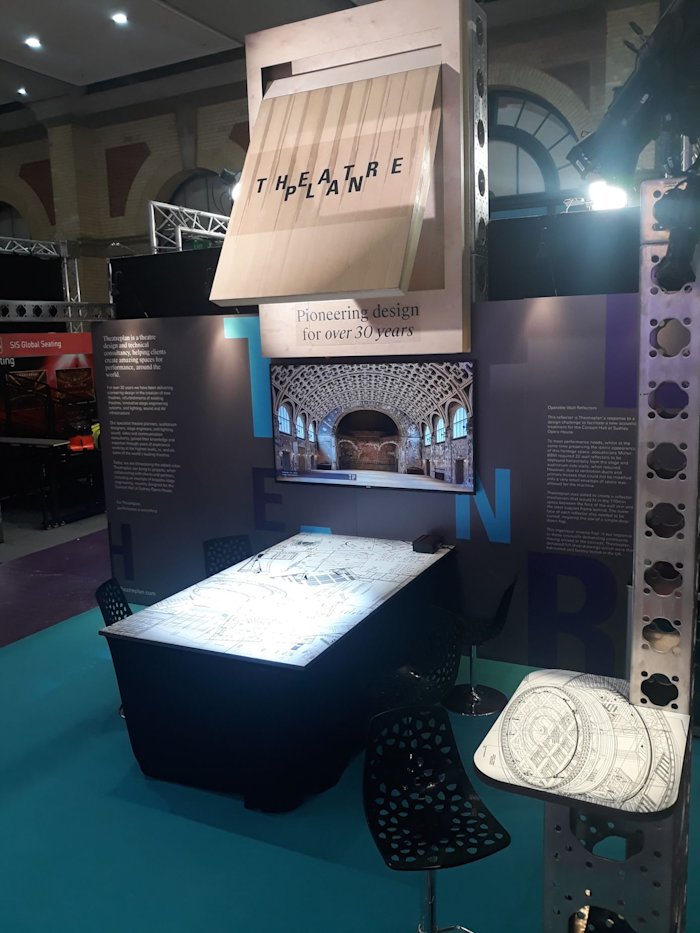
Specialist theatre planning consultancies such as Theatreplan work with architects, cultural organisations and venue operators to ensure that performance spaces are adaptable, efficient and capable of supporting evolving artistic practices. By integrating performance requirements early in the design process, theatre planners help create venues that balance artistic ambition with operational practicality.
Key takeaways: designing flexible performance spaces
• Flexible theatre design enables venues to support multiple performance formats and event types
• Modular seating systems allow rapid reconfiguration of audience layouts
• Adaptable stage platforms support different staging arrangements
• Integrated technical infrastructure supports evolving production technologies
• Flexible public spaces allow theatres to host exhibitions, events and community activities
• Adaptable backstage areas help venues accommodate productions of varying scale
Frequently asked questions about theatre design
What makes a theatre future proof?
A future-proof theatre is designed to accommodate evolving performance styles, technologies and audience expectations. Flexible seating layouts, adaptable stage systems and scalable technical infrastructure allow venues to support a wide variety of productions over time.
Why do theatres need flexible design?
Flexible design allows theatres to diversify programming, maximise venue utilisation and host different types of performances and events without requiring major structural changes.
What are the benefits of flexible performance spaces?
Flexible performance spaces allow venues to host a broader range of events, attract diverse audiences and increase commercial opportunities. They also allow theatres to adapt to new artistic practices and technological developments.
12 May 2026
Contributor