The Value in End User Engagement
One thing I’ve seen again and again with performing arts projects is this:
“the most successful buildings aren’t necessarily those with the most advanced equipment or the most ambitious installations!”
In my experience, the most successful venues have a symbiotic relationship between the facility, the end users, and operator’s mission!
Don’t get me wrong, if leading-edge technology is needed to deliver the ambition and programme, then we lead the charge…but the full implications need to be truly understood before committing.
At Theatreplan, end user engagement isn’t something we treat as a box‑ticking exercise, a bolt-on, or a nice to have. It’s central to how we approach our work. Whether we’re refurbishing an existing venue or designing something entirely new, getting close to the end users – or deeply considering who they will be – makes a huge difference to how successful a project is in the long run.
Most of the projects we work on tend to fall into one of two camps…
When the end user team already exists
(Usually refurbishments and redevelopments)
On refurb projects, there’s often an established team who know the existing facility inside out. They’ve learnt how to make it work hard and deliver what’s needed, sometimes despite the building rather than because of it – that kind of knowledge is gold dust, but it isn’t normally captured in a formal briefing document.
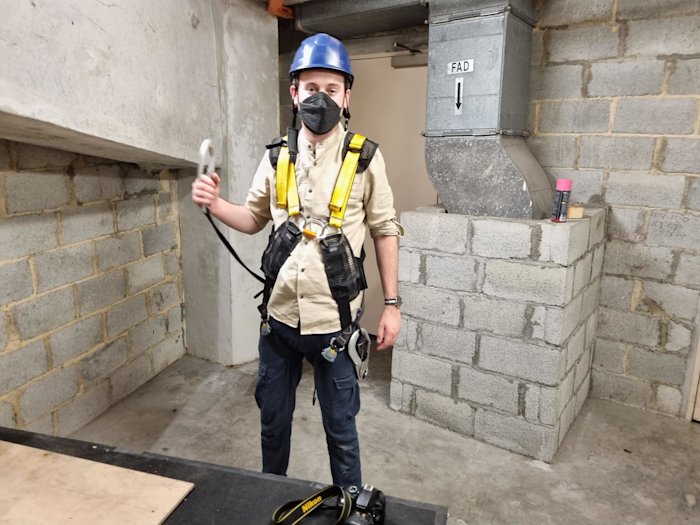
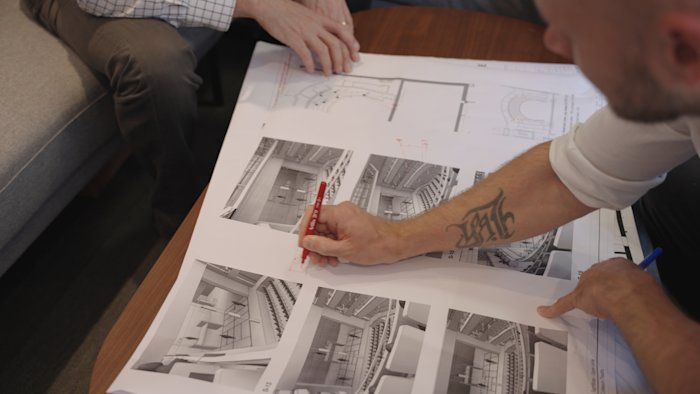
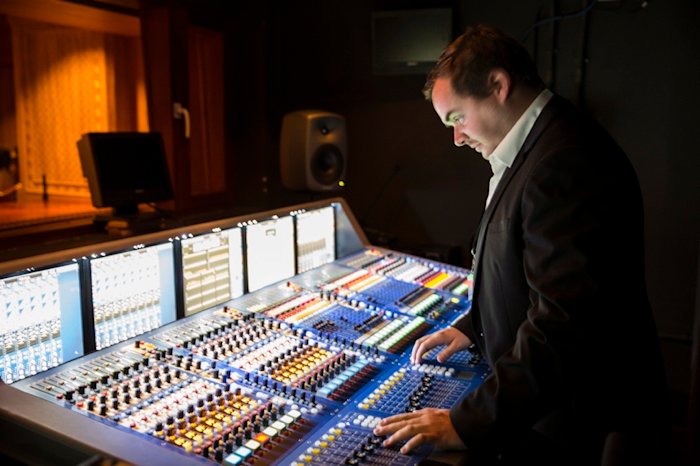
A big part of our job in the early stages is simply spending time with people. Relationship building really matters, and it often happens in fairly ordinary ways: walking the building together, chatting backstage, standing in control rooms and asking, “why do you do it like this?”, watching a show. Those shared experiences build trust, and once that trust is there, the really useful conversations tend to follow.
From there, we spend a lot of time talking through scenarios. What happens when you have little time between productions and have a lot to reconfigure? Where are the bottlenecks when multiple departments are trying to work at once? What works fine on a quiet day but is a nightmare during a busy week? These discussions help move the design away from how the building is currently used, and closer to how alterations or additions could be leveraged in the future. Conversations that start with the words: “What if” are often the most interesting and exciting!
Something I’m always keen to be clear about is ownership. This isn’t our building. It’s not the architect’s building. It ‘belongs’ to the people who will be running it day to day. Our role is to help turn their experience, aspirations, ideas into practical, robust solutions – not to impose our own preferences.
Refurbishments also tend to be where new systems and technologies get introduced into long‑standing ways of working. That can be exciting, but it can also feel overwhelming for venue staff. Proper engagement gives us the chance to stand shoulder to shoulder on the evolution of new solutions to challenges. This help teams build confidence, so they’re not just handed a finished shiny building and told to get on with it.
When there isn't an end user yet- usually new builds
New builds are a different challenge. Often, the people who’ll eventually run the building haven’t been appointed yet and won’t be for several years.
In these cases, end user engagement becomes benchmarking and peer review. We draw on experience from similar venues, industry trends, along with conversations with operators, touring companies and clients. The aim is to ask the right questions early, even if the answers aren’t fully formed yet. We have such a diverse range of experience at Theatreplan so internal workshopping and peer reviews provide huge value.
Scenario planning and ‘day in the life’ processing is especially useful. By working through all ways the building could be used, we can help collaborators see the knock‑on effects of key decisions before they’re locked in. That’s usually how real flexibility gets designed in, rather than something that magically appears later.
Even when the users are hypothetical, ownership still matters. The way decisions are captured, framed, and documented should always reinforce the idea that this building will eventually belong to a future team. Keeping that mindset helps avoid chasing trends or over‑engineering solutions that look impressive but don’t age particularly well.
When a user team is eventually appointed, projects that have taken this approach tend to land much more smoothly. The building feels understandable rather than intimidating, and that makes training, handover and upskilling far more effective.
Why it's worth the effort
Across both scenarios, the benefits of engaging end users properly are pretty consistent (and very compelling, we think).
It builds trust and shared understanding. It helps spot problems early, when they’re easier and cheaper to fix. It reinforces a clear sense of ownership. And it sets teams up to actually use and look after what’s been built.
At its best, end user engagement isn’t about extracting information from people. It’s about forming a partnership. When users feel genuinely involved, the result is a building that’s more resilient, more adaptable, and far more likely to stand the test of time.
That’s why, for me, end user engagement isn’t just part of the Theatreplan process. It’s fundamental to delivering buildings that don’t just work on opening night but continue to work for the people inside them for years to come.
26 May 2026
ContributorMathew Smethurst-Evans