What Happens When The Curtain Comes Down?

For many people, summer is a time to switch off.
Schools break up, families head away on holiday, and the regular rhythm of daily life slows down. Theatres often follow a similar pattern. With audiences away and programme schedules lighter, many venues take the opportunity to go dark for a few weeks.
From the outside, it can look as though very little is happening. In reality, some of the busiest periods in a theatre's calendar are taking place behind closed doors.
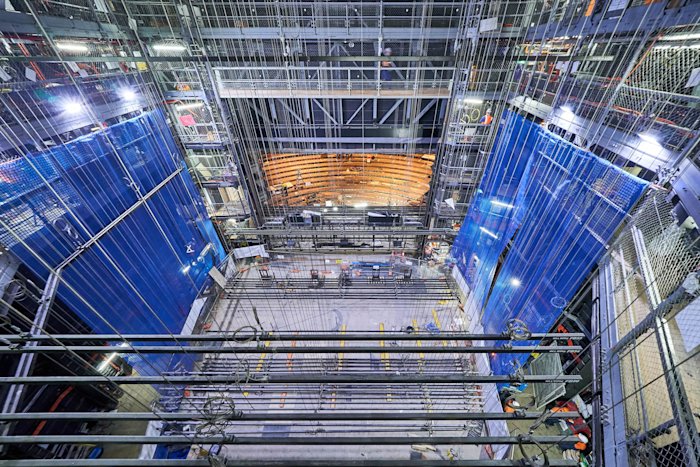
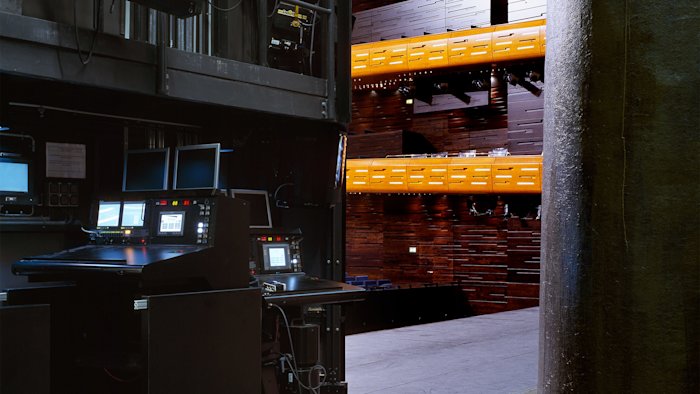
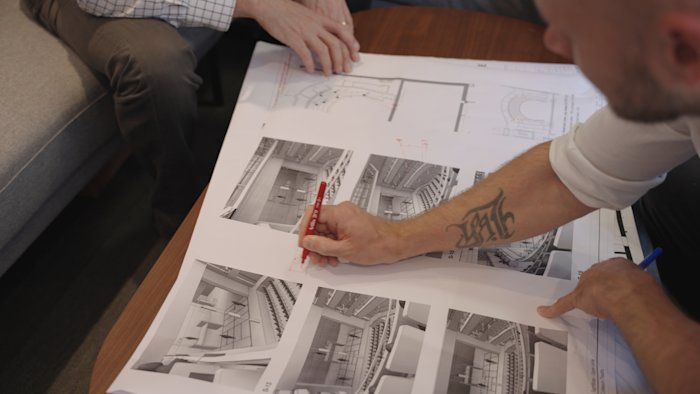
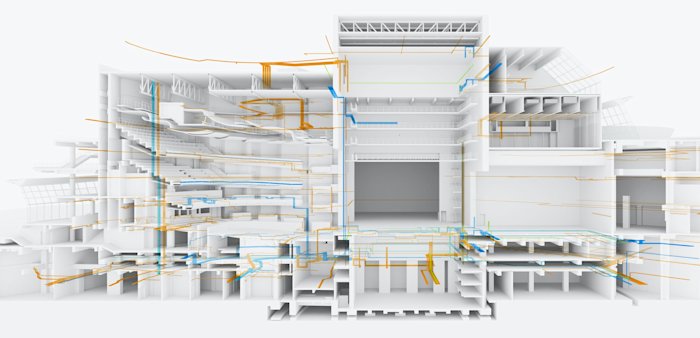
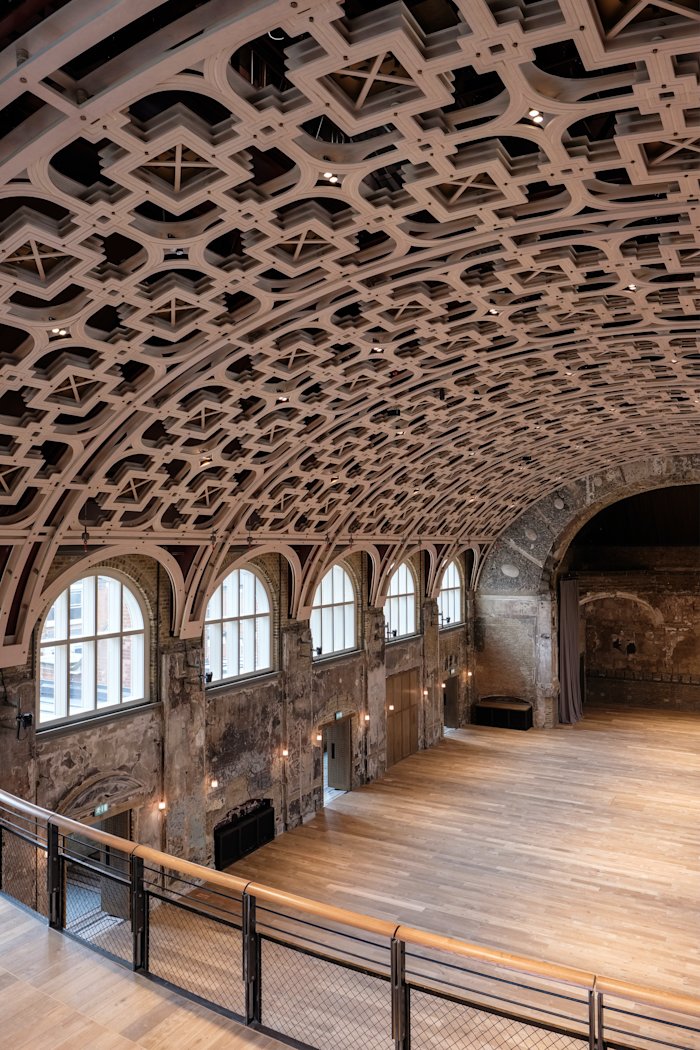
For venue operators, dark periods provide a rare opportunity to undertake essential maintenance, replace ageing equipment and carry out improvement works that would be impossible while performances are taking place. These projects are often planned months if not years in advance, carefully coordinated to fit within a narrow window before the next production arrives.
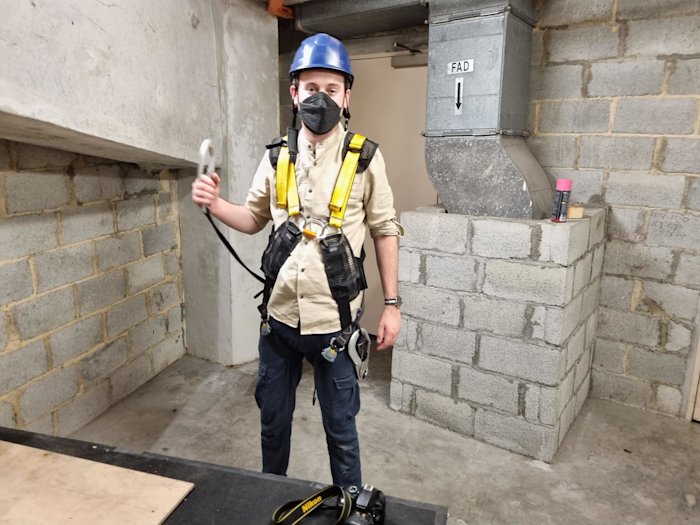
For consultants, this means a summer filled with site visits, meetings and supporting clients through refurbishment and upgrade projects. While the work on site may happen over a few weeks, much of the effort takes place long beforehand. Designs are developed, budgets reviewed, procurement programmes coordinated and risks considered, all in preparation for a period that can pass remarkably quickly.
Yet maintenance projects are only part of the story.
What has always struck me about summer dark periods is how many venues use them not simply to look after their buildings, but to invest in their future audiences and future artists.
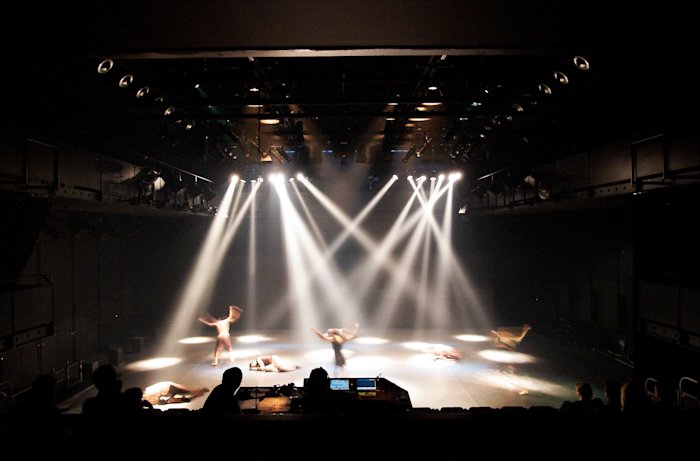
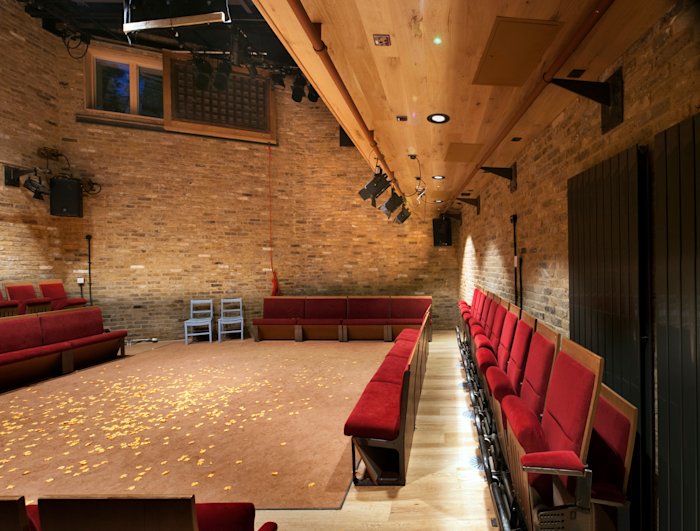
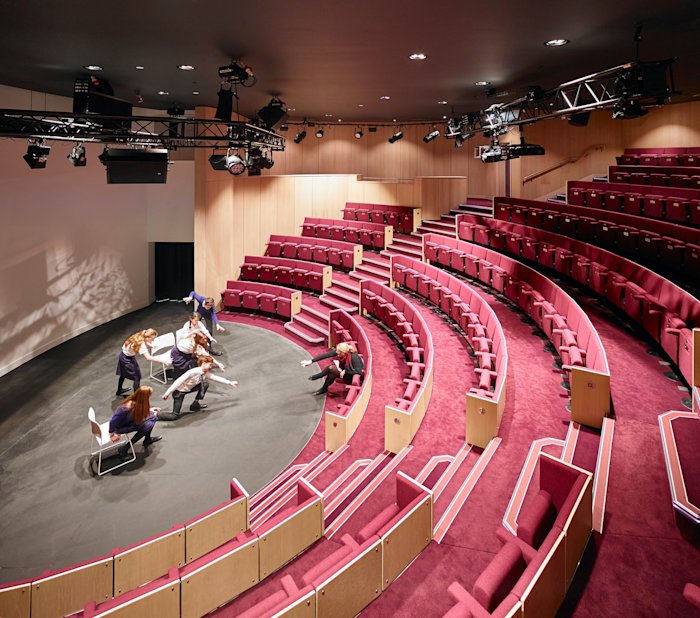
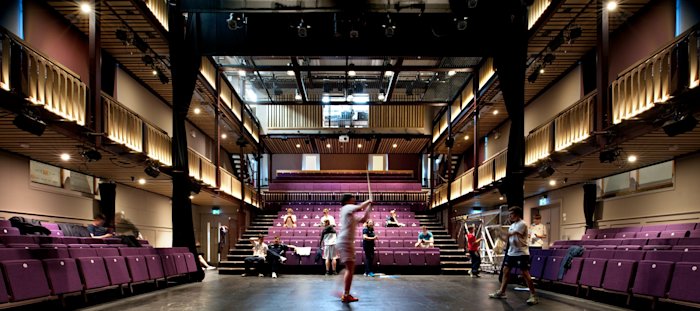
Across the country, regional theatres host youth projects, summer schools, "play in a week" programmes and community initiatives. Spaces that may sit empty of regular audiences during the day suddenly become full of activity, creativity and energy. Rehearsal rooms, studios and stages become places of discovery, where young people have the opportunity to perform, create and develop confidence.
While these projects may not receive the same attention as a major production, their impact can be just as significant.
For some participants, it may be their first experience of performing on a stage. For others, it may be their introduction to the many careers that exist behind the scenes. Among the groups taking part this summer will be future performers, technicians, stage managers, producers and perhaps even theatre consultants.
It serves as a reminder that theatres are much more than buildings designed to host performances. They are places where skills are developed, communities are brought together and creativity is nurtured.

In many ways, summer dark periods reveal something important about the role theatres play within their communities. When the regular programme pauses, the wider purpose of the building becomes more visible. The venue is no longer defined solely by the productions it presents, but by the opportunities it creates.
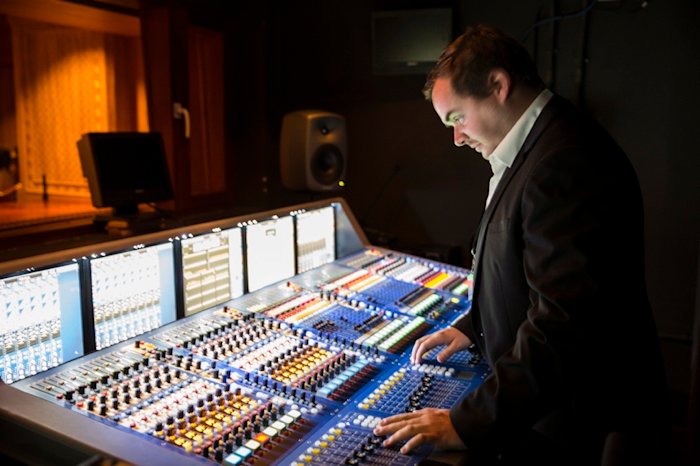
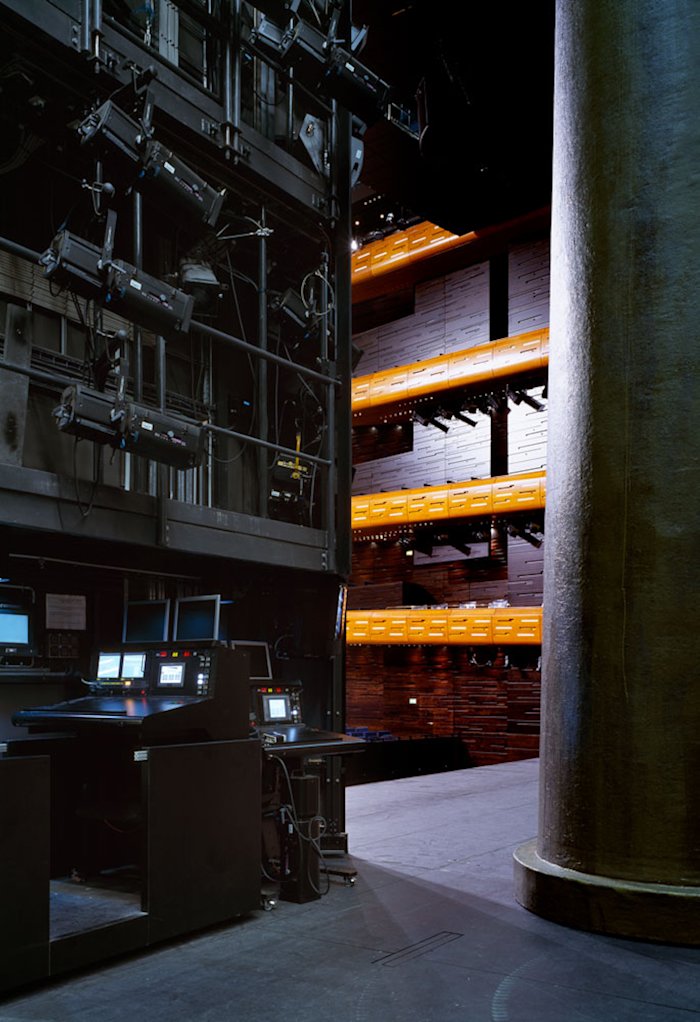
As consultants, we often spend our time thinking about the practical requirements of a building: sightlines, acoustics, circulation, technical infrastructure and the countless details that contribute to a successful venue. But periods like these are a useful reminder of why those spaces matter in the first place.
A theatre is at its most successful when it can adapt to support a wide variety of uses and users. The same stage that hosts a touring production one month might host a youth theatre project the next. The same building that welcomes thousands of audience members each year can also provide a first creative opportunity for someone who has never set foot in a theatre before.
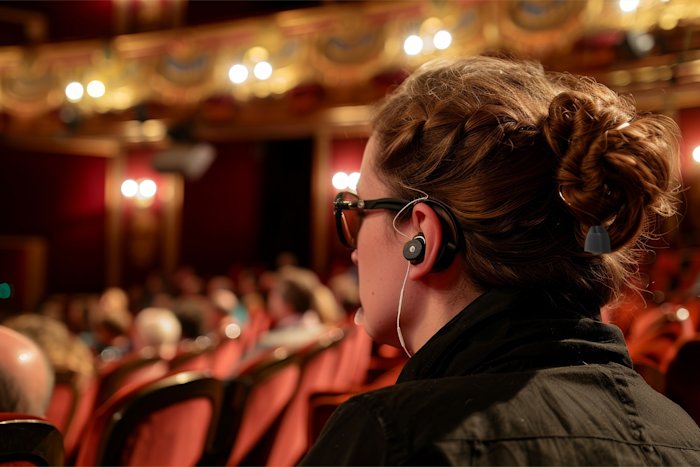
By the time audiences return after the summer, they may notice the new seats, refreshed spaces or upgraded equipment. More often, they will simply enjoy a better experience without necessarily knowing why.
What they are less likely to see are the weeks of preparation, collaboration and activity that took place while the building was dark.
Perhaps that is fitting. Much like theatre design itself, some of the most important work happens behind the scenes.
7 July 2026
ContributorChris Needle