Backstage: Improving Access for Touring Productions

For an Audience, successful theatre design revolves around the performance, staging, lighting and atmosphere. But for touring companies, backstage access can have a significant impact on the experience of running a venue. The easier it is to move people, scenery and equipment through a building, the quicker and safer a production can be delivered. As productions continue to evolve, many venues need to adapt their backstage infrastructure to meet modern touring requirements. Particularly in buildings that are older.
So, where can improvements make the biggest difference?
The Get-In
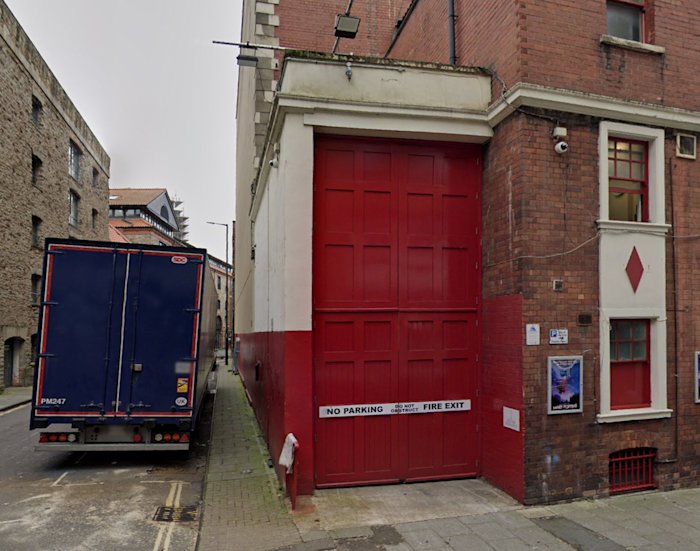
One of the most common challenges in existing venues is that loading doors were designed for an earlier era of theatre production. Today's touring shows often travel with larger scenery, equipment and cases, and what was once considered adequate access can now create bottlenecks.
Increasing the size of get-in doors wherever possible can provide an immediate benefit. Door width and height should accommodate a range of vehicle types and modern production equipment, reducing the need for dismantling scenic elements to get them into the building.
The approach to the loading area is equally important. A level route allows trucks to unload more safely and efficiently, while adequate manoeuvring space enables vehicles to access the dock without obstruction. Often a few practical considerations can significantly reduce the time and effort required during a get-in and get-out. And if there’s a rain cover then all the better.
Reducing Friction Between the Dock and the Stage
Once equipment is inside the building, the journey should be as straightforward as possible.
If there are many turns, changes in level or narrow pinch points then the load in process becomes more challenging and time consuming. The most successful backstage layouts provide clear, direct routes between the loading dock and the stage, minimising unnecessary movement and handling.
It’s not always easy but where opportunities arise during refurbishment projects, reducing travel distances and eliminating obstacles can have a substantial impact on operational efficiency.
Creating Better Backstage Circulation
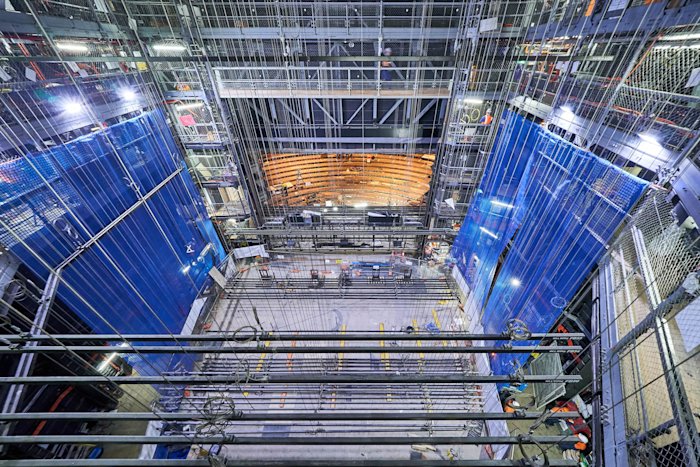
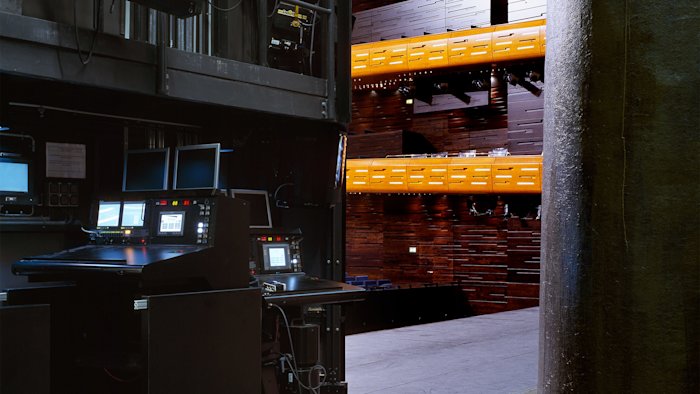
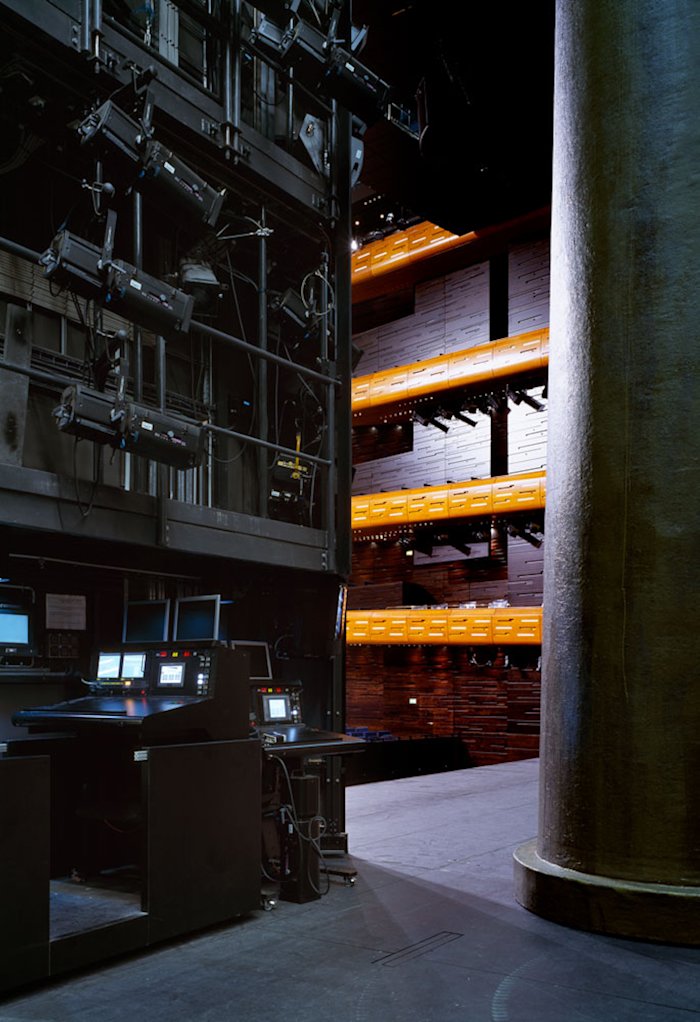
Level routes throughout backstage areas improve accessibility and reduce the challenges of moving equipment between spaces. Wider side-stage and wing access points create greater flexibility for productions with larger scenic elements and more complex stage operations.
Equally important are the routes used by performers; Improving connections between dressing rooms, rehearsal spaces and the stage can make a venue more intuitive and enjoyable to work in.
Supporting Modern Production Loads
The demands placed on theatre infrastructure continue to increase. Touring productions often bring heavier equipment, larger scenic installations and more sophisticated technical systems than those envisaged when many venues were originally built.
As a result, floor loadings should be carefully reviewed during any refurbishment or upgrade project. Older floors capacities are often lost to time or disrepair and reinforcing backstage and stage floors where necessary ensures they can safely accommodate contemporary production requirements and support future touring shows.
Designing for the Future
Improving backstage access isn't always about major interventions. Often, a combination of relatively targeted upgrades can dramatically improve how a venue operates. Simply providing wider doors, better loading access and clearer routes makes for stronger infrastructure and a vastly improved experience
For the production staff, these changes can reduce setup times, improve safety and create a more positive experience when working in a venue. For operators, they help ensure buildings remain attractive and practical destinations for a diverse range of productions.
Ultimately, the most successful theatres are those that work as efficiently behind the scenes as they do in front of the audience. It’s important to give backstage access as much consideration as the front of house, so venues can better support the realities of modern touring and future-proof themselves for the many productions to come.
17 August 2026
ContributorSteve Harley