Why Most School Performance Spaces Are Designed Backwards
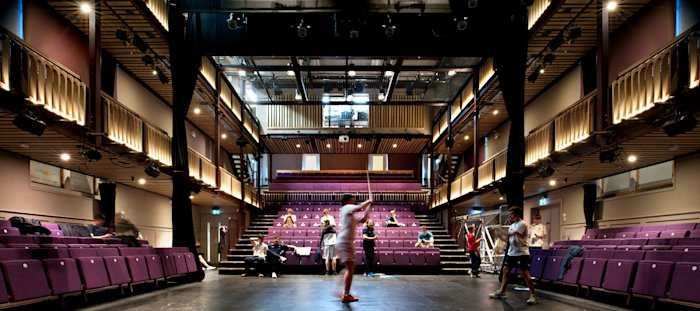
Quarry St Lukes

Most school performance spaces weren't originally designed to be performance spaces at all. A sports hall gets a stage installed at one end. An assembly or exam hall acquires blackout curtains and a lighting rig squeezed into a ceiling that was never really intended for it.

The drama department often ends up making do with whatever space is left once the timetable, exams and sports facilities have taken priority.

That's understandable. Schools have a lot of competing demands, and performance spaces are often shaped around everything else rather than being considered in their own right. The result is usually a space that does the job, but that everyone quietly recognises could work better.

You see it in all sorts of ways. Sightlines that only really work for the people in the first few rows. Acoustics that were never properly thought through. A rigging position that's slightly awkward because the roof structure was fixed long before anyone considered how the space would actually be used. None of this is down to poor decisions. It's simply what tends to happen when a performance space is fitted into a building rather than designed as part of it from the outset.

The appeal of retrofitting

Refurbishing an existing sports hall or assembly hall into a performance space is often the first option schools explore, and it's easy to understand why. The structure is already there, the scope of building work appears more contained, and the budget discussion can feel considerably more manageable than embarking on a new-build project.

The challenge is that these spaces were designed with a different purpose in mind. A sports hall was built for physical activity, not performance. Its proportions, finishes and acoustic characteristics were determined by the needs of sport, and theatrical use can end up adapting to those decisions rather than benefiting from a space designed around its own requirements.

That does not mean refurbishment is the wrong answer. Many schools have successfully transformed existing spaces into highly effective venues. The strongest outcomes tend to come from projects that treat the performance space as a distinct design challenge from the outset, regardless of whether the solution is a refurbishment or a new build.

This approach does not necessarily require a larger project or a greater investment. It simply means beginning with a clear understanding of what the space needs to achieve and then identifying the most appropriate way to deliver it. When that process is followed, the resulting venue is far more likely to serve both the school and its performers well for many years to come.

Planning for how the space will be used

The second consideration worth exploring early is the range of functions and activities the space will ultimately be expected to accommodate.

A hall may begin life as an assembly space with a stage at one end, only to evolve over time into a venue for school productions, concerts, examinations, open evenings, presentations and external rentals. Each of these activities brings its own operational and technical requirements, and they are far easier to accommodate when identified during the design process rather than retrospectively addressed once the space is complete.

The most successful projects are often those that take a longer-term view from the outset, considering not only the immediate needs of the school but also how those needs may develop over time. This is less about predicting every possible future use and more about a better understanding the likely demands on the space over time.

Starting those conversations earlier allows flexibility to be designed into the venue from the beginning. As a result, the space can adapt comfortably to changing requirements rather than feeling constrained by them, providing a more robust and sustainable solution for the school over the long term.

Designing forwards

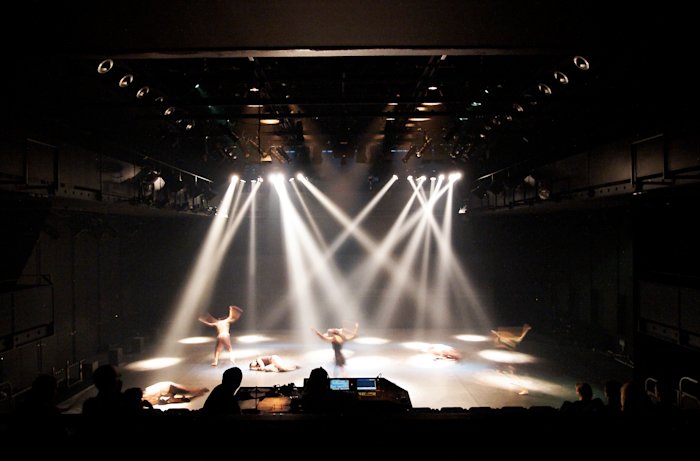
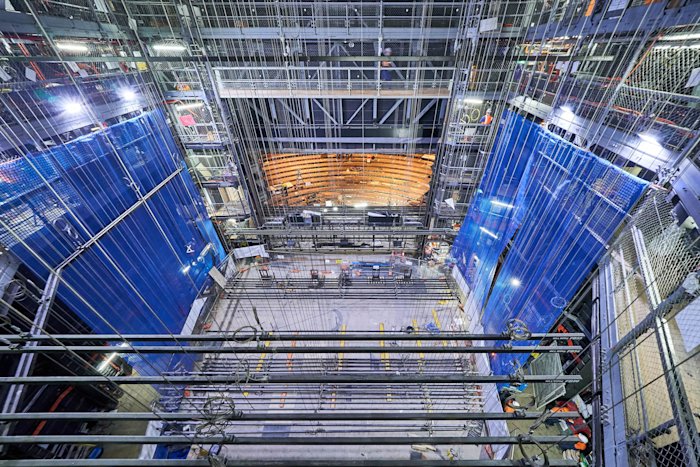
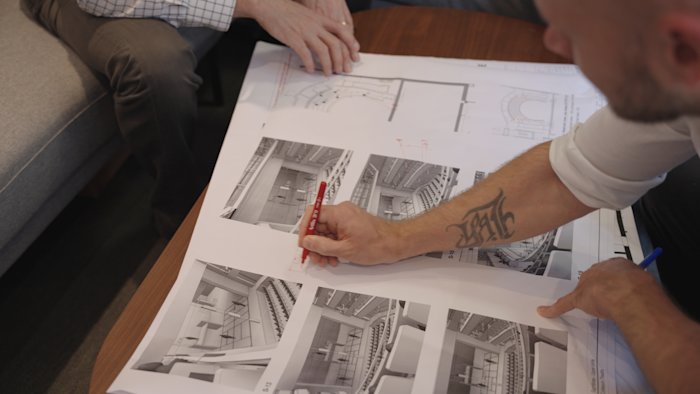
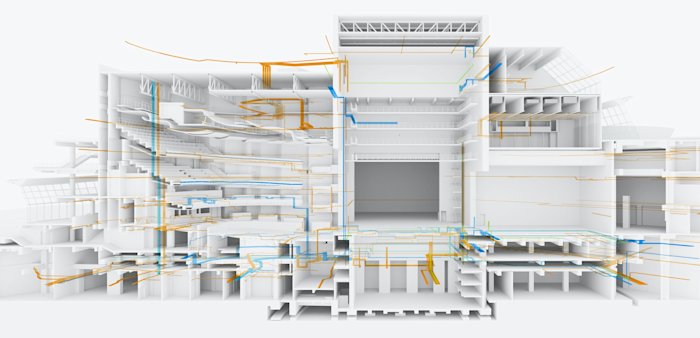
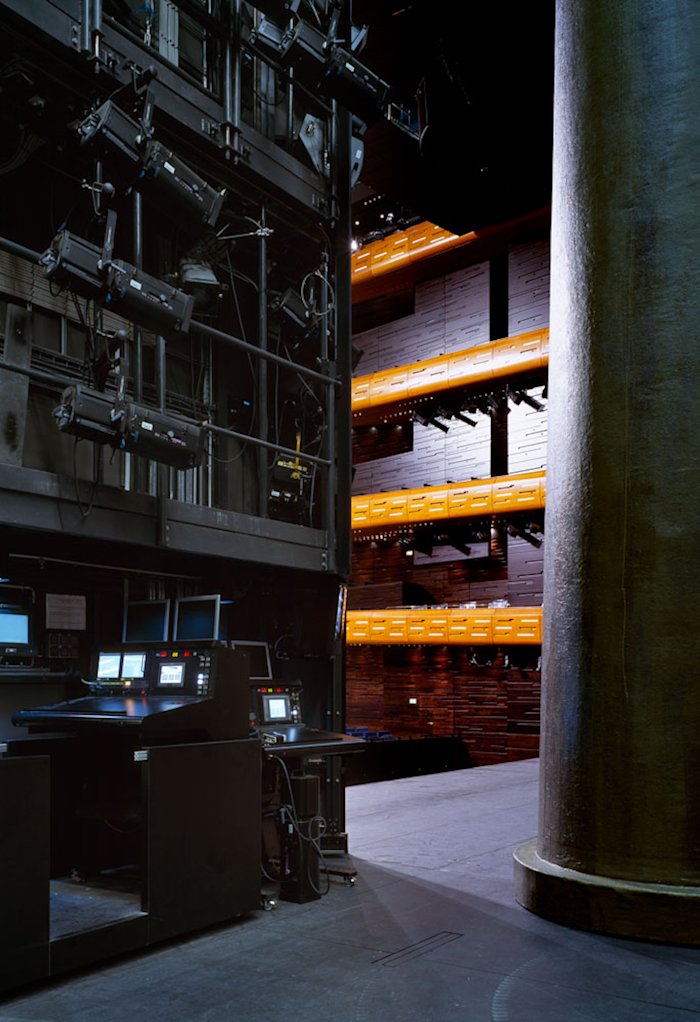
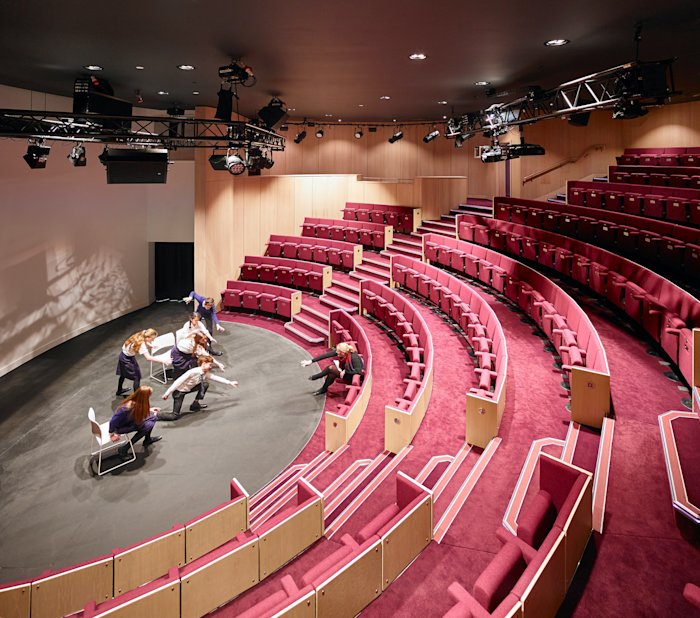
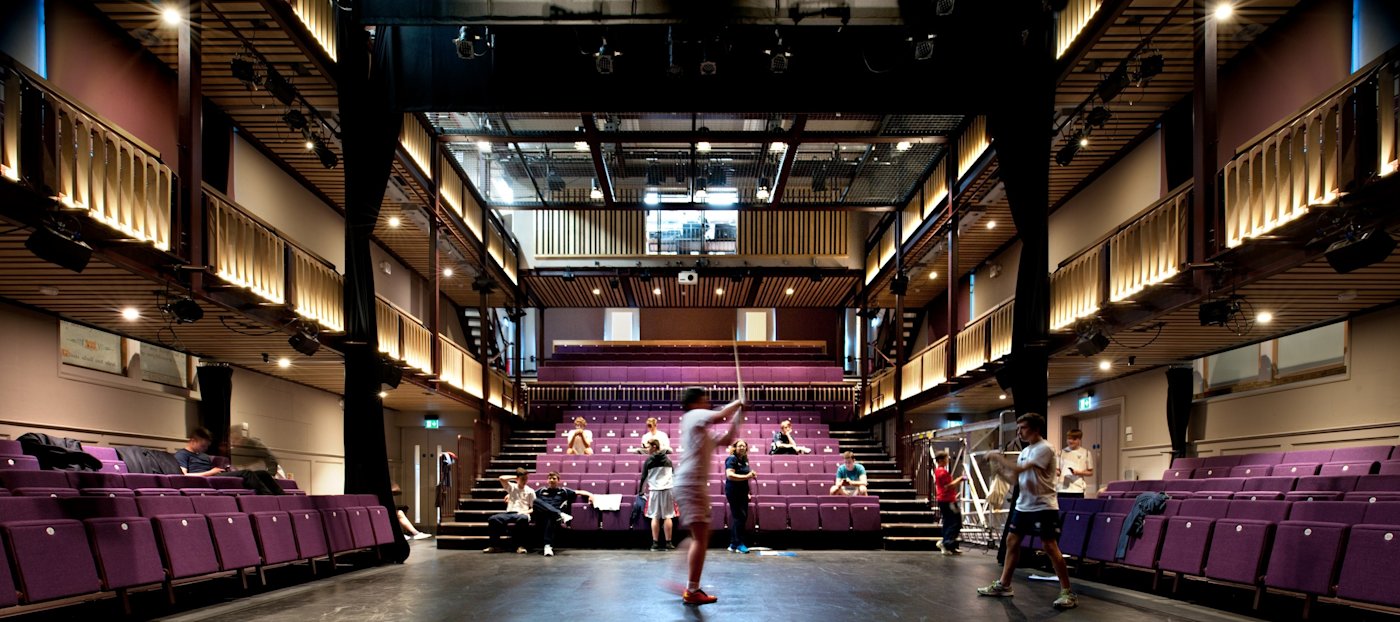
A performance space designed from the outset starts with a clear understanding of who will use it, how often, and what they'll use it for. Sightlines, acoustics, rigging, storage and flexibility can all be properly considered from day one, rather than having to be worked around later.

Getting those conversations started early can make a huge difference to how well the space serves the school in the years ahead. It helps create a venue that not only works well technically but is somewhere staff and pupils can feel genuinely proud of.

If your school is beginning to think about building works for next summer, or even the year after, now is the ideal time to start that conversation, while there's still an opportunity to shape the brief before the bigger decisions have been made.

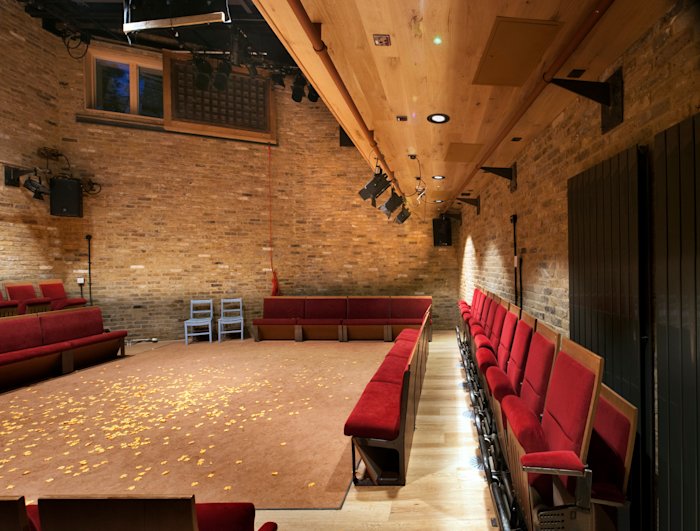
Photo credit: Philip Vile

Posted

30 October 2026

Contributor

Chris James
  • 30 October 2026

    Why Most School Performance Spaces Are Designed Backwards

    Read more
    Quarry St Lukes
  • 17 August 2026

    Backstage: Improving Access for Touring Productions

    Read more
    GetInSHblog
  • 7 July 2026

    What Happens When The Curtain Comes Down?
    Read more
    Chris Needle on site
  • 26 May 2026

    The Value in End User Engagement

    Read more
    Copenhagen Operaen - Studio Stage D-xxx-H Adam Moerk (1)
  • 12 May 2026

    Designing performance spaces for flexibility: future proofing theatres and arts venues
    Read more
    Production Theatre Norwich University of the Arts
  • 8 April 2026

    Cardamon Buns & Winding Drums: Royal Danish Theatre Upgrade Reflections

    Read more
    Peter Copenhagen
  • 14 April 2026

    All the World's a Stage (and someone has to design it)

    Read more
    CN SH and MSE
  • 19 March 2026

    Giving Young People Hands On Experience of Theatre

    Read more
    MK Dunstable 5
  • 23 February 2026

    New Job, Same Goal: Making Live Performance Work Smoothly

    Read more
    SG C: Dan Fulloon
  • 5 February 2026

    Where Intimacy Meets Innovation

    Read more
    Watermill Theatre Newbry
  • 26 November 2025

    Inside stage engineering: from stage rigging to advanced control systems

    Read more
    Sydney JST stage-min
  • 10 November 2025

    Designing for accessibility: how theatre consultants foster inclusive performance spaces

    Read more
    Fareham Live-min
  • 21 October 2025

    Opera house design: blending grandeur with technical theatre innovation

    Read more
    Copenhagen Operaen external-min
  • 13 October 2025

    The Covid years: how Theatreplan navigated unprecedented challenges

    Read more
    Covid years
  • 19 September 2025

    Theatre refurbishment options: how our theatre consultants help to reimagine performance venues.

    Read more
    TP-Blog-image-min
  • 12 September 2025

    AV integration in performance spaces: bridging technology and venue design

    Read more
    Inverness Eden Court Theatre - Cinema 1 ©25
  • 21 August 2025

    Balancing audience experience and backstage efficiency in performance space design

    Read more
    Operaen C-017-H
  • 13 August 2025

    A typical day for the theatre consultant

    Read more
    Screengrabs TP 1.92.1
  • 6 August 2025

    What on earth does a Theatre Consultant do?

    Read more
    Chris J
  • 2 July 2025

    Our Consultant Matt Kingslake reflects on his time touring with the spectacular ice show, Holiday on Ice.

    Read more
    Holiday on Ice
  • 29 April 2025

    Assistive Listening - Demystified

    Read more
    Assistive Listening
  • 19 March 2025

    New Crossroads in Art & Science

    Read more
    csm dbaudio-application-20181002-imogenheap 899a52dbd8
  • 22 January 2025

    What does a Theatre Consultant do?

    Read more
    Copenhagen Operaen audience
  • 23 August 2024

    Team Training Day

    Read more
    Theatreplan Team Outing 2024
  • 8 December 2023

    A tribute to Richard Pilbrow from our Founder Consultant, Roger Fox

    Read more
    Richard Pilbrow and Richard Brett
  • 5 June 2023

    Roger Fox and John Whitaker become Founder Consultants.

    Read more
    Roger Fox and John Whitaker
  • 28 June 2022

    Theatreplan is consulting on the design of the new technical infrastructure across all venues at Esplanade - Theatres on the Bay in Singapore

    Read more
    Esplanade Theatres on the Bay, Singapore
  • 9 July 2019

    Theatreplan wins project with Ronald Lu & Partners to design a new, multi venue arts building in Fanling, China

    Read more
    Fanling
  • 9 July 2019

    Theatreplan win of Stand of the Year at the Association of British Theatre Technicians' Show 2019

    Read more
    ABTT Theatreplan Stand 2019
  • 13 November 2018

    Theatreplan Chosen to Work on the Transformation of the King's Theatre Edinburgh

    Read more
    King's Theatre_Visualisation
  • 6 September 2018

    Battersea is Back

    Read more
    Battersea Arts Centre Grand Hall
  • 28 August 2018

    Scottish Design Awards

    Read more
    Glasgow Citizens
  • 6 July 2017

    New London Awards 2017

    Read more
    Tara Theatre
  • 14 February 2017

    Return to Copenhagen

    Read more
    Operaen Copenhagen
  • 3 November 2016

    RISA Doolan Prize

    Read more
    Glasgow Academy Lecture Theatre Rehearsal
  • 28 October 2016

    2016: RIBA International Award

    Read more
    DLR LexIcon, Dún Laoghaire Aerial View
  • 21 April 2016

    RIBA Regional Awards 2016

    Read more
    Quarry St Lukes Rehearsal
  • 18 April 2016

    World's Tallest Temple

    Read more
    Vrindavan Chandrodaya Mandir Model
Let's start a conversation
info@theatreplan.com
+44 (0) 20 7841 0440

31 Colonnade
London WC1N 1JA
United Kingdom